
Ocular Migraines and Visual Auras: What They Look Like, What Causes Them, and When to Worry
A shimmering zigzag creeps across your vision in the middle of a meeting. Twenty minutes later it fades, leaving you rattled and Googling. If that sounds familiar, you have probably experienced an ocular migraine, and you are far from alone.
The short answer: An ocular migraine is a temporary visual disturbance, usually a shimmering or zigzag arc of light called a visual aura, caused by a wave of altered activity in the brain's visual cortex. Episodes typically last 10 to 30 minutes, affect both eyes, and resolve on their own. They are usually harmless, but vision changes in one eye only, or symptoms that do not fade, need same-day eye care.
This guide comes from Dr. Michelle Blas, OD at Eyes in Disguise Optometry on Union Street in San Francisco's Cow Hollow, where patients ask about these episodes every week. Here is what a visual aura actually looks like, what triggers it (yes, stress and anxiety count), and the red flags that separate a harmless aura from an eye emergency.
What Does a Visual Aura Look Like?
Most people describe some combination of these:
A shimmering, zigzag arc that often starts as a small spot near the center of vision and slowly expands outward, sometimes called a scintillating scotoma
Flickering or strobe-like lights with geometric, crystal-like edges, sometimes in color
A blind spot in the center or edge of your vision that you notice when reading
Heat-wave or watery distortion, like looking through rippling glass
Tunnel vision or temporary dimming as the episode peaks
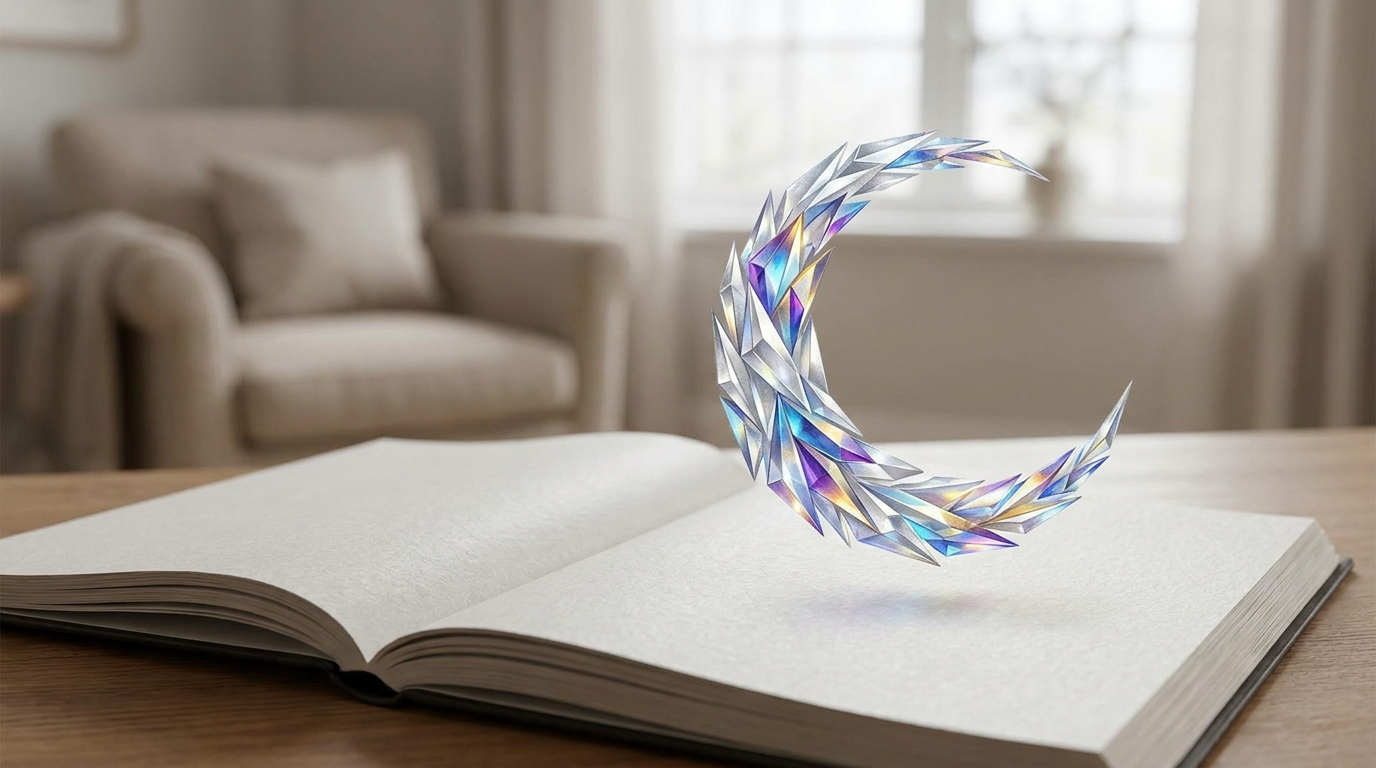
The hallmark of a classic visual aura is that it moves and grows over several minutes, affects both eyes (even though it can feel one-sided), and fades completely within about half an hour. A headache may follow, but often, especially after age 40, there is no headache at all. Doctors call that a silent or acephalgic migraine.
Ocular Migraine, Migraine Aura, Retinal Migraine: What's the Difference?
"Ocular migraine" is an umbrella term people use loosely, and the distinction matters:
Migraine with visual aura: The common one. The light show comes from the brain's visual cortex, so it involves both eyes. Harmless in the vast majority of cases.
Retinal migraine: Rare. Vision loss or sparkles in ONE eye only, caused by reduced blood flow to the retina itself. This needs prompt evaluation to rule out more serious circulation problems.
Not a migraine at all: Flashes and new floaters from the retina can mimic an aura but signal a retinal tear or detachment. These do not fade in 30 minutes and often come with new floaters or a shadow in your vision.
Covering one eye during an episode is the single most useful self-check. If the disturbance is still visible with either eye covered, it is coming from the brain (typical aura). If it clearly lives in one eye only, treat it as urgent and call us.
Can Anxiety Cause Ocular Migraines?
Yes, indirectly. Anxiety and stress are among the most commonly reported triggers for migraine aura. Stress hormones affect blood vessel tone and brain excitability, and the let-down period after intense stress is a classic trigger window, which is why auras love to show up the evening after a brutal deadline or the first day of vacation.
Anxiety also amplifies the experience: an aura is startling, the startle spikes adrenaline, and the symptoms feel bigger and last longer in your memory than on the clock. Some patients develop anticipatory anxiety about the next episode, which itself becomes a trigger. Breaking that loop, with reassurance, trigger management, and an exam that confirms your eyes are healthy, is often half the treatment.
Common Triggers Beyond Stress
Screens and harsh lighting: long uninterrupted screen sessions, glare, flickering or strobing light
Sleep changes: too little, too much, or an irregular schedule
Hormonal shifts: menstrual cycles, perimenopause, some contraceptives
Food and drink: skipped meals, dehydration, alcohol (especially red wine), excess caffeine or caffeine withdrawal, aged cheeses, cured meats
Sensory load: strong smells, bright sun off the water (a real factor for Marina runners and cyclists)
Dips in blood sugar from long gaps between meals
Keeping a simple note on your phone (time, what you ate, sleep, stress level) for a few episodes usually reveals your personal pattern faster than any test.
What to Do During an Episode
Stop driving or operating anything that needs full vision. Pull over and wait it out.
Cover one eye, then the other to check whether it is one-sided.
Rest your eyes in a dim, quiet space. Hydrate. Have a snack if you skipped a meal.
Note the time. A typical aura fades within 10 to 30 minutes. Longer than 60 minutes is a reason to call.
If a headache follows, your usual approach to migraine relief applies once your vision clears.
Red Flags: When It's Not Just an Ocular Migraine
Get same-day eye care if any of these apply:
Visual disturbance in one eye only
New floaters or flashes alongside the disturbance, or a shadow or curtain over part of your vision
Symptoms lasting longer than an hour or not resolving completely
An aura accompanied by weakness, numbness, slurred speech, or confusion (call 911, these can signal stroke)
Your first-ever aura after age 50
A sudden change in the pattern you are used to
Flashes and floaters have their own emergency playbook. Our guide to eye floaters, flashes, and sudden blurry vision covers exactly when those symptoms mean retina trouble, and Eyes in Disguise offers emergency eye care with same-day appointments when they do.
How an Eye Exam Rules Out the Scary Stuff
Auras are a diagnosis of exclusion: we confirm your eyes are healthy so you can stop worrying about every shimmer. At Eyes in Disguise, Dr. Blas uses a dilated retinal exam and OCT imaging to check the retina and optic nerve, measures eye pressure, and reviews your episode pattern and triggers. If anything points beyond the eyes, she coordinates directly with neurologists and retinal specialists here in San Francisco.
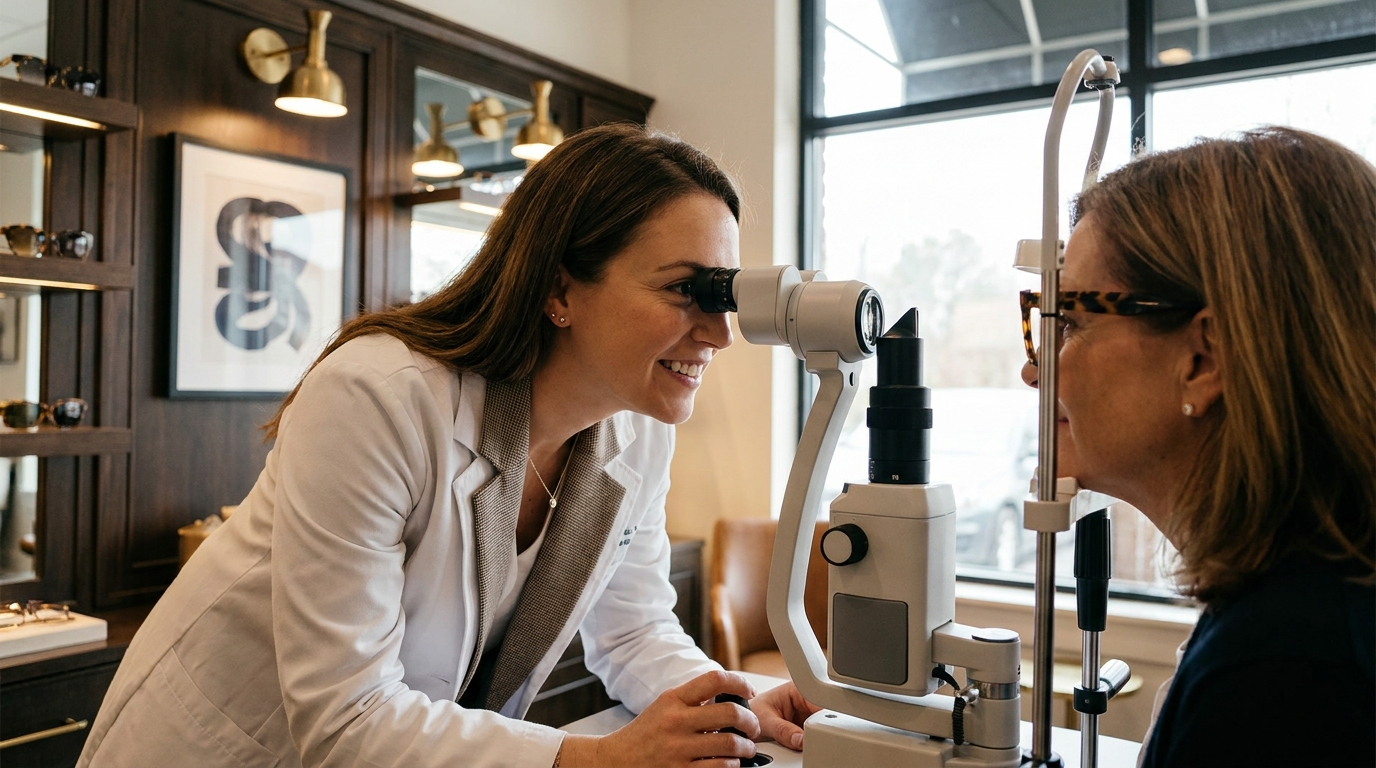
For most patients, the visit ends with good news, a trigger plan, and real peace of mind. That alone tends to make episodes less frequent.
The Bottom Line
An occasional shimmering aura that affects both eyes and fades within 30 minutes is almost always a benign ocular migraine, and stress, screens, sleep, and skipped meals are the usual suspects. One-sided vision loss, new floaters, a curtain over your vision, or an aura that will not quit are different animals entirely and deserve same-day care.
Not sure which camp your episodes fall into? Do not guess. Book an eye exam at Eyes in Disguise on Union Street and Dr. Blas will check the health of your retina and build you a trigger plan. Call (415) 474-5321 or book online today.
Frequently Asked Questions
Can anxiety cause ocular migraines?
Anxiety and stress are leading triggers for migraine with visual aura. Stress hormones change blood vessel tone and brain excitability, and episodes often appear during the wind-down after intense stress. Managing stress, sleep, and screen time reduces episode frequency for many people.
What does a visual aura look like?
Most visual auras appear as a shimmering, zigzag arc of light that starts small and slowly expands across your vision over 10 to 30 minutes, sometimes with a blind spot in the middle. It affects both eyes and fades completely on its own.
Are ocular migraines dangerous?
Migraine with visual aura is usually harmless, though episodes are disruptive. The danger is misreading a retinal problem as a migraine. Vision changes in one eye only, new floaters, a shadow in your vision, or symptoms lasting over an hour need same-day eye care.
How do I tell an ocular migraine from a retinal problem?
Cover one eye at a time. A migraine aura comes from the brain, so you will see it with either eye covered. A retinal problem lives in one eye only, and often comes with new floaters or a curtain-like shadow. One-sided symptoms warrant an urgent eye exam.
How long does an ocular migraine last?
A typical visual aura builds over 5 to 10 minutes and resolves within 10 to 30 minutes, occasionally up to an hour. A headache may follow but often does not. Episodes lasting longer than 60 minutes should be evaluated promptly.
Can too much screen time trigger ocular migraines?
Long uninterrupted screen sessions, glare, and flicker are common triggers. Regular breaks using the 20-20-20 rule, good lighting, and an updated prescription reduce the strain that sets episodes off.
Is an ocular migraine a sign of a stroke?
A typical aura is not a stroke, but the two can look similar. An aura with weakness, numbness, trouble speaking, facial droop, or confusion is treated as a stroke until proven otherwise: call 911. A first-ever aura after age 50 also deserves prompt evaluation.
When should I see an eye doctor about ocular migraines?
See an optometrist after your first episode to confirm your retina and optic nerve are healthy, and any time the pattern changes, episodes become frequent, symptoms are one-sided, or floaters and flashes appear. A dilated exam with OCT imaging rules out retinal causes.
About the author: Dr. Michelle Blas, OD, is an optometrist at Eyes in Disguise Optometry in San Francisco's Cow Hollow neighborhood. A graduate of the SUNY College of Optometry and a member of the American Optometric Association, she specializes in primary and emergency eye care, dry eye treatment, diabetic eye disease, glaucoma management, and specialty contact lens fittings.
Eyes in Disguise Optometry, 2133 Union Street, San Francisco, CA 94123. (415) 474-5321.
