
Finding the Best Eye Doctor in San Francisco: Your Complete Guide to Exceptional Vision Care in 2025al Vision Care
When searching for an eye doctor in San Francisco, you're not just looking for someone who can prescribe glasses—you're seeking a trusted partner in your lifelong vision health. The right optometrist combines advanced diagnostic technology, personalized care, and deep expertise to protect one of your most precious senses. In San Francisco's competitive eye care landscape, where options range from boutique practices in Cow Hollow to comprehensive centers downtown, finding exceptional vision care requires knowing what truly matters.
Why Your Choice of Eye Doctor Matters More Than You Think
Your eyes reveal more than just your ability to read street signs. They're windows into your overall health, often showing early signs of diabetes, high blood pressure, and neurological conditions before symptoms appear elsewhere. In San Francisco, where residents juggle demanding careers with active lifestyles—from sunrise yoga sessions at Crissy Field to late-night work sessions in SoMa startups—maintaining optimal vision isn't luxury; it's essential.
Consider this: glaucoma, the "silent thief of sight," affects over 3 million Americans, yet half don't know they have it. Macular degeneration, cataracts, and diabetic retinopathy develop gradually, making early detection through comprehensive eye exams your best defense. An exceptional eye doctor doesn't just correct your vision—they protect your future sight.
The Real Cost of Settling for "Good Enough" Eye Care
Many San Francisco residents choose convenience over quality, booking appointments at quick-service optical chains or postponing exams until vision problems become obvious. This approach carries hidden costs: missed diagnoses, delayed treatments, and potentially irreversible vision loss. The difference between adequate and exceptional eye care often lies in diagnostic technology, examination thoroughness, and the doctor's clinical experience—factors that directly impact your long-term eye health.
Understanding Eye Care Professionals: Choosing the Right Expert in San Francisco

San Francisco's eye care landscape includes three distinct types of professionals, each serving different roles in your vision health journey.
Optometrists: Your Primary Vision Care Partners
Optometrists represent the foundation of vision care for most San Francisco residents. These primary eye care providers complete four years of optometry school after undergraduate studies, earning a Doctor of Optometry (O.D.) degree. In practices like Eyes in Disguise Optometry in Cow Hollow, optometrists conduct comprehensive eye examinations, diagnose vision conditions, prescribe corrective lenses, and manage various eye diseases including glaucoma and diabetic retinopathy.
Modern optometry in San Francisco has evolved far beyond basic vision testing. Today's optometrists utilize advanced diagnostic equipment—Optical Coherence Tomography (OCT), digital retinal imaging, and corneal topography—to detect subtle changes in eye health years before symptoms appear. They're trained to identify systemic health issues through eye examinations, often being the first healthcare providers to detect conditions like diabetes or autoimmune disorders.
Ophthalmologists: Surgical and Medical Specialists
Ophthalmologists are medical doctors (M.D. or D.O.) specializing in eye and vision care. After medical school, they complete at least four years of ophthalmology residency, with many pursuing additional fellowship training in subspecialties like retinal surgery or glaucoma management. While ophthalmologists provide comprehensive eye care, many focus primarily on surgical interventions—cataract surgery, LASIK, corneal transplants—and treating complex eye diseases.
In San Francisco's collaborative care environment, the relationship between optometrists and ophthalmologists creates a seamless continuum of care. Your optometrist manages your routine care and monitors eye health, referring you to ophthalmologists when surgical intervention or specialized medical treatment becomes necessary.
Opticians: The Eyewear Experts
Opticians don't examine eyes or write prescriptions, but they play a crucial role in your vision care team. These trained professionals translate prescriptions into precisely fitted eyewear, helping you select frames that complement your face shape while ensuring lenses are correctly positioned for optimal vision. At practices like Eyes in Disguise Optometry, experienced opticians guide clients through curated collections of luxury frames, balancing style with functional vision needs.
The Essential Elements of Exceptional Eye Care in San Francisco
Finding outstanding vision care requires evaluating multiple factors that distinguish truly exceptional practices from merely adequate ones.
Advanced Diagnostic Technology: The Foundation of Accurate Care
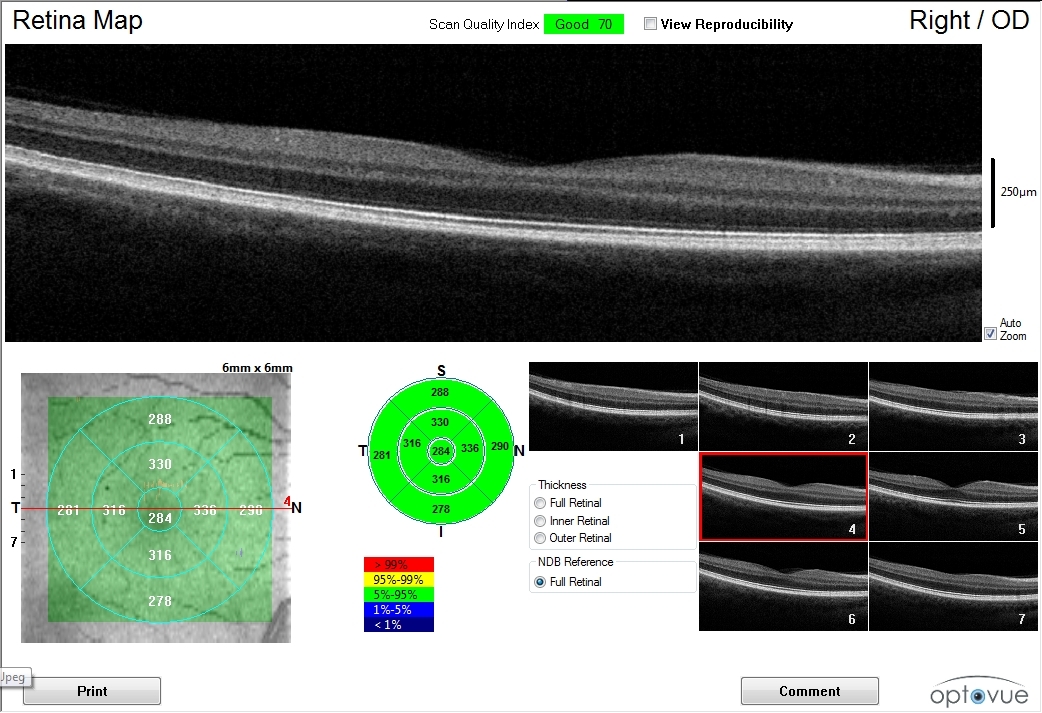
The difference between standard and exceptional eye exams often comes down to technology. Practices investing in cutting-edge diagnostic equipment provide more accurate assessments, earlier disease detection, and better treatment outcomes.
Optical Coherence Tomography (OCT) functions like an MRI for your eyes, creating detailed cross-sectional images of the retina. This technology detects microscopic changes in retinal layers years before symptoms develop, enabling early intervention for conditions like macular degeneration and glaucoma. When choosing an eye doctor in San Francisco, ask whether they use OCT imaging—it's a significant indicator of their commitment to comprehensive care.
Digital retinal imaging captures high-resolution photographs of your retina, optic nerve, and blood vessels. These images create a permanent record, allowing your optometrist to detect subtle changes during future exams. For patients with family histories of eye disease or systemic conditions like diabetes, this documentation proves invaluable.
Wavefront aberrometry (like the iProfiler system) analyzes how light travels through your eye, detecting higher-order aberrations that conventional refraction misses. This technology enables ultra-precise prescriptions, particularly beneficial for contact lens fittings and pre-LASIK evaluations.
Comprehensive Examination Protocols
A thorough eye examination extends far beyond reading letters on a chart. Exceptional optometrists in San Francisco conduct multi-faceted evaluations assessing:
Visual acuity and refraction for precise prescriptions
Binocular vision to ensure both eyes work together efficiently
Intraocular pressure screening for glaucoma
Dilated fundus examination to evaluate retinal and optic nerve health
Visual field testing to detect peripheral vision loss
Anterior segment evaluation examining corneas, lenses, and anterior chambers
This comprehensive approach typically requires 45-60 minutes—significantly longer than quick-service chains offer. The investment of time translates directly to more accurate diagnoses and better long-term outcomes.
Your Step-by-Step Guide to Finding San Francisco's Best Eye Doctor
Step 1: Define Your Specific Vision Needs
Before beginning your search, clarify what you need from your eye care provider. Are you seeking routine vision correction, managing a specific eye condition, considering LASIK, or looking for pediatric eye care? Your requirements will guide your selection process.
For residents with family histories of glaucoma, macular degeneration, or diabetic retinopathy, prioritize practices with advanced diagnostic technology and experience managing these conditions. Those interested in premium contact lens options—scleral lenses, orthokeratology, or specialty fits—need optometrists with specific expertise in these areas.
Step 2: Research Credentials and Experience
Verify that prospective eye doctors hold current California optometry licenses and maintain professional memberships with organizations like the American Optometric Association. In San Francisco's competitive eye care market, the most respected practitioners typically have:
Years of clinical experience in comprehensive eye care
Continuing education in specialized areas (dry eye management, myopia control, specialty contact lenses)
Strong relationships with local ophthalmologists for seamless referrals
Positive reputations within the local medical community
Step 3: Evaluate Practice Philosophy and Patient Care Approach

The best eye doctors in San Francisco view patients as partners in vision health rather than transactions to process. During initial consultations or phone conversations, assess whether the practice:
Takes time to understand your concerns rather than rushing through appointments
Explains findings in accessible language, helping you understand your eye health
Involves you in treatment decisions, presenting options and recommendations
Demonstrates genuine care about your vision outcomes and overall satisfaction
At practices like Eyes in Disguise Optometry, this patient-centered philosophy manifests in unhurried examinations, thorough explanations, and personalized treatment plans that consider your lifestyle, aesthetic preferences, and vision goals.
Step 4: Consider Location and Accessibility
In San Francisco's geographically compact but traffic-challenged environment, location matters. Choosing an optometrist in a convenient neighborhood—whether near your home in Pacific Heights, office in the Financial District, or regular errands in Cow Hollow—increases the likelihood you'll maintain regular eye care appointments.
Additionally, evaluate:
Office hours that accommodate your schedule
Parking availability or proximity to public transportation
Emergency availability for urgent eye care needs
Appointment scheduling flexibility
Essential Services Your San Francisco Eye Doctor Should Provide
Comprehensive Eye Examinations with Advanced Technology
Foundation of preventive eye care, comprehensive exams should include all elements discussed earlier—from visual acuity testing through dilated retinal examination. Practices utilizing advanced technology like OCT imaging and digital retinal photography provide superior diagnostic capability.
Premium Eyewear Selection and Expert Fitting

While online retailers offer convenient eyewear purchasing, they can't replicate the expertise of in-person optician services. Quality practices in San Francisco curate eyewear collections balancing style with optical performance, ensuring frames fit properly and lenses are positioned for optimal vision.
At Eyes in Disguise Optometry, the handcrafted eyewear collection represents this philosophy—each frame selected for quality construction, timeless design, and exceptional comfort. Expert fitting ensures glasses sit correctly on your face, preventing sliding, pressure points, and visual distortion.
Specialty Contact Lens Services
Contact lens fitting requires significantly more expertise than many realize. Beyond basic soft lenses, specialty options include:
Scleral lenses for keratoconus, severe dry eye, or high prescriptions
Orthokeratology for overnight corneal reshaping and myopia control
Multifocal contacts for presbyopia correction
Toric lenses for astigmatism
Custom soft lenses for unique prescriptions or eye shapes
Exceptional optometrists invest time in understanding your lifestyle needs, accurately mapping your corneal topography, and selecting lens designs that provide optimal vision and comfort.
Medical Eye Care and Disease Management
Your optometrist should be equipped to diagnose and manage common eye conditions including:
Dry eye syndrome with advanced treatments beyond artificial tears
Allergic conjunctivitis and other ocular surface conditions
Glaucoma monitoring with intraocular pressure management
Diabetic retinopathy screening and co-management
Age-related macular degeneration monitoring and treatment coordination
For conditions requiring surgical intervention, your optometrist should maintain strong relationships with trusted ophthalmologists, ensuring seamless referrals and coordinated care.
Understanding Eye Care Investment: Costs and Insurance in San Francisco
Eye care costs in San Francisco vary significantly based on services provided and whether you're visiting in-network or out-of-network providers. Understanding these financial considerations helps you make informed decisions.
Typical Cost Ranges for Common Services
Comprehensive eye examinations: $100-$250 without insurance
Contact lens fittings: $100-$200 beyond basic exam fees
Prescription eyeglasses: $200-$800+ depending on lens options and frame selection
Specialty contact lenses: $300-$1,500+ annually for premium options
Maximizing Insurance Benefits
Most vision insurance plans (VSP, EyeMed, Davis Vision) cover:
Annual eye examinations with modest copays
Allowances toward eyewear or contact lenses
Discounts on additional eyewear purchases
Before scheduling, verify whether your chosen practice accepts your insurance plan. Many exceptional optometrists in San Francisco, including boutique practices offering premium services, work with multiple insurance carriers while also accommodating out-of-network benefits.
The Value Equation in Eye Care
While cost matters, the cheapest option rarely delivers the best value in healthcare. Consider what you receive for your investment:
Examination thoroughness and time spent with your doctor
Technology quality enabling accurate diagnoses
Eyewear quality affecting durability, comfort, and optical performance
Ongoing support for adjustments, questions, and follow-up care
Practices like Eyes in Disguise Optometry exemplify this value proposition—combining advanced diagnostic technology, thorough examinations, curated luxury eyewear, and personalized service that justifies premium positioning.
Spotlight on San Francisco's Unique Eye Care Landscape

San Francisco's eye care community reflects the city's broader character—innovative, diverse, and quality-focused. From the Mission District's accessible community clinics to Cow Hollow's boutique optometry practices, the city offers options across the spectrum.
Neighborhood-Specific Considerations
Different San Francisco neighborhoods offer distinct eye care experiences:
Cow Hollow/Marina District practices like Eyes in Disguise Optometry cater to style-conscious professionals seeking personalized service and premium eyewear in approachable, boutique environments. These practices typically invest in advanced technology while maintaining the personalized attention of family-run businesses.
Financial District/Downtown practices prioritize convenience for busy professionals, offering extended hours and efficient service. Many maintain relationships with corporate vision plans popular among Bay Area tech companies.
Mission District/Castro providers often focus on accessibility and community connection, serving diverse populations with various insurance options and language capabilities.
San Francisco's Commitment to Vision Health Innovation
San Francisco's proximity to Silicon Valley and its thriving biotech sector creates unique advantages for eye care. Many practices participate in clinical trials for new treatments, adopt emerging technologies earlier than national averages, and maintain connections with research institutions like UCSF's ophthalmology department.
This innovative environment benefits patients through:
Earlier access to new treatment options
Practices staying current with latest clinical evidence
Collaborative care relationships spanning multiple specialties
Making Your Final Decision: Trust Your Instincts
After researching credentials, evaluating technology, and comparing services, trust your instincts about the patient-provider relationship. The best eye doctor for you is someone who:
Listens attentively to your concerns and vision goals
Communicates clearly, avoiding jargon while respecting your intelligence
Demonstrates genuine interest in your long-term eye health
Makes you feel comfortable asking questions and discussing options
Many San Francisco practices, including Eyes in Disguise Optometry, offer consultation opportunities before committing to comprehensive examinations. Taking advantage of these meetings helps you assess whether the practice culture, doctor communication style, and overall approach align with your preferences.
Your Vision Deserves Expert Care
Finding the best eye doctor in San Francisco requires more than selecting the closest provider or the first search result. It demands understanding what distinguishes exceptional care from adequate service, evaluating practices based on meaningful criteria, and choosing a provider who views your vision health as seriously as you do.
In neighborhoods from Pacific Heights to Nob Hill, from the Embarcadero to Cole Valley, San Francisco optometrists are ready to provide the comprehensive, technology-enhanced, personalized eye care you deserve. Whether you're seeking your first eye examination, managing a chronic eye condition, or simply wanting glasses that reflect your personal style, the city's eye care community offers outstanding options.
For San Francisco residents who value the intersection of medical expertise and personal service, practices like Eyes in Disguise Optometry represent the gold standard—combining advanced diagnostic technology with hand-selected luxury eyewear and the unhurried attention that transforms routine eye care into a genuinely positive experience.
Your vision shapes how you experience everything San Francisco offers—from Golden Gate Bridge sunsets to reading menus at Ferry Building restaurants. Doesn't it deserve exceptional care from an eye doctor who understands both the science of vision and the art of patient service?
Take the first step toward optimal vision health today. Research local optometrists, schedule consultations, and discover what truly exceptional eye care feels like. Your eyes—and your future self—will thank you.
Author Bio: This guide was created to help San Francisco residents navigate the complex landscape of vision care options. For personalized eye care combining advanced diagnostics with luxury eyewear in the heart of Cow Hollow, visit Eyes in Disguise Optometry or call (415) 474-5321 to schedule your comprehensive examination.
2. FAQ SECTION
Frequently Asked Questions About Finding an Eye Doctor in San Francisco
Q: How often should I have comprehensive eye examinations?
A: Most adults should schedule comprehensive eye exams every 1-2 years, though individual needs vary. If you're over 60, have diabetes, wear contact lenses, or have family history of eye disease, annual examinations are recommended. Children should have their first exam by age 6 months, again at age 3, and before starting school. Your San Francisco optometrist can recommend a personalized examination schedule based on your risk factors and vision needs.
Q: What's the difference between a routine eye exam and a comprehensive eye examination?
A: Routine exams typically focus on vision correction—determining your glasses or contact lens prescription. Comprehensive examinations include this plus thorough health assessments: dilated retinal examination, glaucoma screening, eye muscle testing, and evaluation for conditions like macular degeneration or diabetic retinopathy. Practices using advanced technology like OCT imaging provide even more detailed assessments, detecting problems years before symptoms appear.
Q: Does insurance cover comprehensive eye examinations in San Francisco?
A: Most vision insurance plans (VSP, EyeMed, Davis Vision) cover annual eye examinations with modest copays, typically $10-$40. Medical insurance (like Blue Cross, Aetna, UnitedHealthcare) often covers medical eye exams when monitoring or treating conditions like glaucoma or diabetic retinopathy. Before scheduling, verify whether your chosen optometrist accepts your specific insurance plan, as provider networks vary significantly across San Francisco practices.
Q: What should I look for in an eye doctor if I have specific conditions like glaucoma or diabetes?
A: Choose an optometrist with specific experience managing your condition and access to appropriate diagnostic technology. For glaucoma, this includes OCT imaging for nerve fiber layer analysis and visual field testing equipment. For diabetes, digital retinal photography and dilation protocols are essential. Ask prospective doctors about their experience with your condition, how frequently they monitor it, and their relationships with ophthalmologists if specialist referral becomes necessary.
Q: How do I know if an optometrist in San Francisco uses advanced diagnostic technology?
A: Check the practice website for mentions of specific equipment like OCT (Optical Coherence Tomography), digital retinal imaging, corneal topography, or wavefront aberrometry. During phone inquiries or consultations, directly ask what diagnostic technology they use and how it benefits your examination. Quality practices in San Francisco neighborhoods like Cow Hollow, Pacific Heights, and the Marina District typically invest in advanced equipment and highlight it as a practice strength.
Q: Can I get both eye care and stylish eyewear at the same San Francisco practice?
A: Absolutely! Many San Francisco optometry practices, particularly boutique providers like Eyes in Disguise Optometry, combine comprehensive medical eye care with curated eyewear collections. This integrated approach offers convenience and ensures your glasses or contact lenses precisely match your prescription and visual needs. Look for practices highlighting both their clinical expertise and eyewear selection when researching options.
Q: What neighborhoods in San Francisco have the best concentration of eye care providers?
A: Eye care options are distributed throughout San Francisco, though certain areas have higher concentrations. The Financial District and Union Square offer numerous practices convenient for downtown professionals. Cow Hollow, the Marina, and Pacific Heights feature boutique optometry practices emphasizing personalized service and premium eyewear. The Mission District and Castro provide community-focused care with diverse language capabilities. Consider choosing a provider near your home or workplace for convenient ongoing care.
Q: How can I verify an eye doctor's credentials and reputation in San Francisco?
A: Start by confirming California optometry licensure through the California Board of Optometry website. Check professional memberships with the American Optometric Association or California Optometric Association. Read online reviews on Google, Yelp, and Healthgrades, paying attention to comments about examination thoroughness, doctor communication, and staff professionalism. Personal recommendations from friends, family, or your primary care physician also provide valuable insights into local optometrists' reputations.
