Myopia Control in San Francisco: How to Protect Your Child's Vision from Progressive Nearsightedness
Your eight-year-old just got her third prescription increase in two years. Each time you visit the optometrist, the numbers get bigger, the glasses get thicker, and you find yourself wondering: Is this normal? Will it ever stop? And more importantly—is there anything you can do about it?
If you're a San Francisco parent watching your child's nearsightedness worsen year after year, you're not alone—and you're not powerless. Childhood myopia has reached epidemic proportions globally, with rates in urban areas like San Francisco climbing dramatically over the past two decades. But here's what many parents don't realize: myopia progression isn't inevitable. Modern myopia control treatments can slow progression by 30-60%, dramatically reducing your child's risk of developing high myopia and associated vision-threatening complications later in life.
After three decades of practicing optometry in San Francisco, I've witnessed this shift firsthand at Eyes in Disguise in Cow Hollow. Parents who once accepted escalating prescriptions as unavoidable now have access to evidence-based interventions that can protect their children's long-term eye health. From orthokeratology (Ortho-K) lenses that reshape the cornea overnight to low-dose atropine drops that slow eyeball elongation, today's myopia control options are transforming pediatric eye care.
Let's explore why myopia has become so prevalent in San Francisco's youngest residents, what's actually happening inside your child's eyes, and how advanced myopia control treatments can preserve their vision for decades to come.
Understanding Childhood Myopia: More Than Just "Needing Glasses"
Myopia—commonly called nearsightedness—occurs when the eyeball grows too long from front to back, causing light to focus in front of the retina rather than directly on it. While this might sound like a simple optical problem that glasses can fix, progressive myopia represents a much more serious concern for your child's future eye health.
Why Childhood Myopia Progression Matters
When your child's myopia prescription increases each year, it's not just the inconvenience of new glasses—their eyeballs are physically elongating. This axial elongation stretches the retina and other delicate structures at the back of the eye, increasing lifetime risk for serious conditions including:
Retinal Detachment – High myopia increases risk by 300-900%, with symptoms including sudden flashes, floaters, and vision loss requiring emergency surgery.
Glaucoma – Myopic eyes develop glaucoma at 2-3 times the rate of non-myopic eyes, often at younger ages when damage can be more extensive.
Myopic Macular Degeneration – The leading cause of vision loss in high myopia, occurring when the stretched macula develops degenerative changes that blur central vision.
Early Cataracts – High myopes develop cataracts 5-10 years earlier than the general population, often requiring surgery in their 50s rather than 70s.
These aren't distant possibilities—they're real risks that increase dramatically with every diopter of myopia your child develops. A prescription of -6.00 or higher (high myopia) carries serious vision loss risk that begins as early as the 40s and 50s. This is why myopia control isn't just about clearer vision today—it's about protecting sight for life.
The San Francisco Myopia Epidemic: What's Driving It?
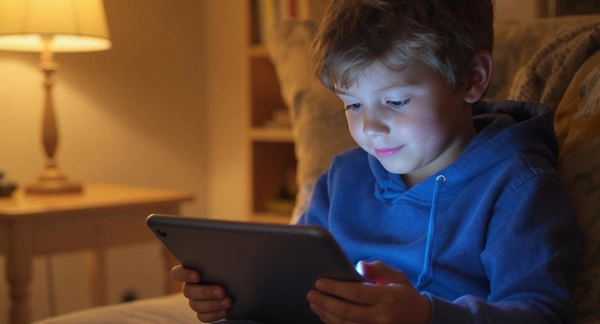
San Francisco's affluent, educated population faces unique risk factors that have created a perfect storm for childhood myopia:
Screen Time Saturation – San Francisco children spend an average of 7-9 hours daily on digital devices between school, homework, and recreation. This sustained near-work triggers elongation of the eyeball as it adapts to constant close-focus demands. Tech-industry parents working from home often model extended screen use, normalizing device-heavy lifestyles for their children.
Limited Outdoor Time – Despite San Francisco's beautiful parks and temperate climate, urban children spend significantly less time outdoors than previous generations. Research shows that just 2 hours of daily outdoor time reduces myopia risk by up to 50%, yet most San Francisco children get less than half that amount. Between structured activities, homework, and screens, outdoor play has become the exception rather than the norm in neighborhoods like Pacific Heights, the Marina, and Cow Hollow.
Academic Pressure – San Francisco's competitive educational environment means children spend extensive hours reading, studying, and doing close work from early ages. While academic achievement is admirable, the visual demands create sustained periods of near focus that accelerate myopia progression.
Genetic Predisposition – San Francisco's diverse population includes significant Asian, Asian-American, and multiracial demographics. Asian children have 2-3 times higher myopia rates than Caucasian children, making genetic factors particularly relevant in our city. If both parents are myopic, children have a 50% chance of developing myopia; if neither parent is myopic, the risk drops to just 10-15%.
Early Myopia Onset – Children developing myopia before age 8 experience more rapid progression and higher final prescriptions than those developing myopia in their teens. With smartphone and tablet use beginning at increasingly young ages, we're seeing myopia onset in 5-6 year-olds—a concerning trend that sets the stage for severe myopia by adulthood.
5 Warning Signs Your Child May Be Developing Myopia
Early detection is crucial for effective myopia control. Many children don't complain about vision problems—they simply adapt to their gradually worsening sight. Watch for these telltale signs:
1. Squinting at Distant Objects
If your child squints to see the whiteboard at school, street signs while driving, or the TV from across the room, they're unconsciously trying to improve focus by reducing the aperture of their eye. Frequent squinting is often the first visible sign of developing myopia.
2. Sitting Too Close to Screens
While sitting close to the TV won't cause myopia, children with emerging nearsightedness naturally gravitate closer to screens, books, and tablets to see clearly. If your child's nose is practically touching their iPad or they insist on sitting in the front row at movies, vision problems may be developing.
3. Complaints of Headaches or Eye Strain
Children with uncorrected myopia often experience headaches—particularly at the end of the school day—as their eyes work harder to focus on distant objects. Rubbing eyes frequently or complaining that "eyes feel tired" are also red flags.
4. Difficulty Seeing in Low Light
Myopic eyes struggle more in dim lighting conditions. If your child has trouble navigating in the evening, seeing at dusk while playing outdoors, or reading in indirect lighting, their myopia may be progressing.
5. Declining Academic Performance
Sometimes the first indication of vision problems comes from teachers noticing your child isn't engaged with board work, copying information incorrectly, or seeming distracted during visual activities. A sudden drop in grades—especially in subjects requiring board copying—warrants a vision evaluation.
Evidence-Based Myopia Control Treatments: Your Options in San Francisco
The good news: you're not limited to watching your child's prescription worsen year after year. Multiple proven myopia control interventions can slow progression by 30-60%, and combining treatments often yields even better results. Here's what's available at Eyes in Disguise and how each option works:
Orthokeratology (Ortho-K): Overnight Vision Correction
Orthokeratology—commonly called Ortho-K—uses specially designed rigid gas-permeable contact lenses worn only during sleep to gently reshape the cornea. Your child removes the lenses upon waking and enjoys clear vision all day without glasses or contacts, while simultaneously slowing myopia progression.
How Ortho-K Controls Myopia:
Beyond correcting vision, Ortho-K lenses create a unique optical profile on the cornea that reduces peripheral hyperopic defocus—a key driver of eyeball elongation. Studies show Ortho-K slows axial elongation by 32-63% compared to single-vision glasses.
What to Expect:
After a comprehensive eye exam and corneal mapping using our advanced topography technology at Eyes in Disguise, we custom-design lenses specifically for your child's eyes. The fitting process involves several appointments to ensure optimal lens positioning and corneal reshaping. Most children achieve functional vision within 1-2 weeks and best-corrected vision within a month.
Children typically wear lenses 6-8 hours nightly. Morning removal takes just seconds—easier than inserting traditional contacts. Throughout the day, vision remains clear without any eyewear. The reshaping effect is temporary, so consistent nightly wear is essential, but the myopia control benefits are cumulative and long-lasting.
Ideal Candidates:
Ortho-K works best for children ages 8-14 with mild to moderate myopia (-1.00 to -6.00 diopters) and regular corneal curvature. It's particularly popular among San Francisco families because it eliminates daytime glasses/contacts, making it perfect for sports, swimming, and active lifestyles.
Safety Considerations:
Ortho-K has an excellent safety profile when proper hygiene protocols are followed. I provide detailed training for both parents and children on lens insertion, removal, and cleaning. Regular follow-up appointments at Eyes in Disguise monitor corneal health and ensure optimal outcomes.
Low-Dose Atropine Eye Drops: Medical Myopia Management
Atropine—a medication used in eye care for decades—has emerged as one of the most effective pharmaceutical interventions for slowing myopia progression. At low concentrations (0.01%-0.05%), atropine eye drops slow axial elongation without the significant side effects seen with higher doses.
How Atropine Controls Myopia:
While the exact mechanism isn't fully understood, low-dose atropine appears to inhibit biochemical signals that trigger eyeball elongation. Clinical trials demonstrate 30-60% reduction in myopia progression, with 0.05% concentration showing particularly strong efficacy in recent studies JAMA Ophthalmology.
Treatment Protocol:
Children instill one drop in each eye nightly before bed. The low concentration causes minimal pupil dilation (unlike the diagnostic atropine drops used during eye exams) and rarely affects near vision. Most children experience no side effects whatsoever.
Treatment typically continues for 2-3 years—the period of fastest myopia progression. After discontinuation, some rebound effect can occur, so we carefully time treatment cessation and monitor closely for any progression acceleration.
Ideal Candidates:
Atropine works for a wide range of myopia severities and is often the simplest option for younger children (ages 5-10) who may not be ready for Ortho-K. It's also excellent for children with irregular astigmatism or other conditions making Ortho-K less suitable.
Combining Atropine with Ortho-K:
Emerging research shows that combining low-dose atropine with Ortho-K provides superior myopia control compared to either treatment alone—potentially slowing progression by 70-80%. At Eyes in Disguise, I increasingly recommend this combination approach for children with rapid progression or strong family history of high myopia Nature Scientific Reports.
MiSight® Contact Lenses: Dual-Focus Technology
MiSight® 1 Day are FDA-approved soft daily disposable contact lenses specifically designed for myopia control in children. These lenses use dual-focus technology that simultaneously corrects vision in the center while creating myopic defocus in the periphery—signaling the eye to slow elongation.
How MiSight® Controls Myopia:
The lens design features alternating zones of correction and defocus. While your child sees clearly through the central corrective zones, the peripheral zones create controlled blur that research shows slows axial elongation by approximately 50% compared to single-vision contact lenses.
Treatment Protocol:
Children wear MiSight® lenses during waking hours, disposing of them nightly—no cleaning or storage required. This daily disposable format offers excellent safety and convenience, particularly appealing to busy San Francisco families.
The lenses are FDA-approved for children ages 8-12 at the start of treatment, though clinical studies show continued benefit when started through age 14.
Ideal Candidates:
MiSight® works well for children ready for daytime contact lens wear but who prefer not to wear Ortho-K lenses overnight, or for families who want the convenience of daily disposables without the commitment of Ortho-K fitting appointments.
Defocus Incorporated Multiple Segments (DIMS) Spectacle Lenses
For children who prefer glasses over contacts, DIMS spectacle lenses offer myopia control in a familiar format. These innovative lenses feature hundreds of tiny segments across the lens surface that create myopic defocus in the peripheral visual field while maintaining clear central vision.
How DIMS Lenses Control Myopia:
Similar to MiSight® contacts, DIMS lenses slow myopia by creating controlled peripheral defocus. Studies show approximately 60% reduction in myopia progression compared to single-vision spectacles—impressive results for children who simply wear glasses as usual.
Ideal Candidates:
DIMS lenses are perfect for younger children (ages 6-8) not yet ready for contact lenses, children uncomfortable with the idea of contacts, or as a backup option for Ortho-K wearers who need daytime correction occasionally.
The Critical Role of Lifestyle Modifications
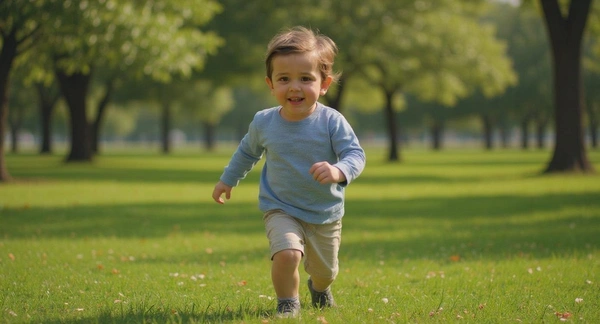
While medical interventions provide powerful myopia control, environmental and lifestyle factors significantly influence outcomes. These modifications complement treatment and sometimes prevent myopia onset entirely:
Outdoor Time: Nature's Myopia Control
The single most effective preventive measure is also the simplest: outdoor time. Research demonstrates that 2 hours daily of outdoor activity reduces myopia onset risk by up to 50% and slows progression in already-myopic children. The protective effect comes from bright outdoor light exposure (even on cloudy days), distance viewing, and reduced near-work demands.
For San Francisco families, this means prioritizing time at Golden Gate Park, Crissy Field, the Presidio, or neighborhood playgrounds. The activity matters less than the outdoor environment—whether playing sports, reading a book outside, or simply walking through the Marina, your child receives protective benefits.
Practical Tips for San Francisco Parents:
Walk or bike to school rather than driving when possible
Choose outdoor activities over indoor screen time
Encourage outdoor lunch/recess at school
Plan weekend adventures to San Francisco's abundant outdoor spaces
Make outdoor time non-negotiable even during homework-heavy weeks
Screen Time Management: The 20-20-20 Rule and Beyond
Eliminating screens entirely isn't realistic for San Francisco children whose schools use tablets for learning and whose social lives involve digital communication. Instead, implement smart screen strategies:
The 20-20-20 Rule: Every 20 minutes of near work, look at something 20 feet away for 20 seconds. This brief break allows eyes to relax and reduces strain.
Working Distance: Maintain at least 12-15 inches between eyes and screens/books (about one forearm length). Closer distances increase accommodation demand and myopia risk.
Screen Positioning: Position computer monitors slightly below eye level and ensure good ambient lighting to reduce glare and strain.
No Devices Before Bed: Blue light from screens suppresses melatonin and affects sleep quality, which research suggests may also influence myopia progression.
Weekend Screen Fasts: Designate weekend mornings or afternoons as screen-free time, replacing devices with outdoor activities.
Reading Posture and Lighting
Proper reading ergonomics reduce visual stress during unavoidable near work:
Adequate lighting reduces accommodation demand and eye strain
Upright posture (not lying down) maintains proper viewing distance
Frequent breaks during homework sessions allow eyes to relax
Large print books when available reduce focusing demand for younger readers
What to Expect: The Myopia Control Journey
Starting myopia control treatment represents a multi-year commitment, but understanding the process helps families maintain consistency for optimal results.
Initial Comprehensive Evaluation at Eyes in Disguise
Your child's myopia control journey begins with a thorough assessment including:
Detailed Medical History: Family myopia history, current visual demands, screen time habits, outdoor activity levels, and academic performance.
Comprehensive Eye Examination: Refraction to determine current prescription, ocular health assessment, and evaluation for any conditions affecting treatment selection.
Advanced Diagnostics: Axial length measurement (the gold standard for monitoring myopia control effectiveness), corneal topography for Ortho-K candidates, and baseline documentation for comparison during future visits.
Personalized Treatment Planning: Based on your child's age, myopia severity, lifestyle, family preferences, and individual risk factors, I recommend the most appropriate treatment option—often combining multiple approaches for maximum benefit.
Treatment Implementation and Adaptation
Ortho-K: The initial fitting involves 3-4 appointments over 4-6 weeks to optimize lens fit and vision. Your child may experience some adaptation period with minor awareness of lenses initially, but most children adjust within days. We provide detailed training on insertion, removal, and care protocols.
Atropine Drops: After the first prescription, we schedule a follow-up in 2-4 weeks to ensure no side effects and confirm compliance. If tolerated well, visits transition to every 6 months for monitoring.
MiSight®/DIMS Lenses: Similar to standard contact lens or glasses fitting, with follow-up appointments to ensure comfort, proper fit, and visual satisfaction.
Ongoing Monitoring and Adjustments
Myopia control is not "set it and forget it"—regular monitoring ensures treatment effectiveness:
Every 3-6 Months: Measure axial length, refraction, and assess progression. Successful myopia control shows minimal axial elongation (less than 0.15mm annually) and stable or minimally increasing prescriptions.
Annual Comprehensive Exams: Full ocular health evaluation to ensure no complications and overall eye health remains excellent.
Treatment Adjustments: If progression continues despite treatment, we may adjust atropine concentration, refine Ortho-K lens parameters, or add combination therapy.
Long-Term Outlook
Most children continue myopia control treatment until ages 14-16 when natural myopia progression slows significantly. By this age, treatment has typically prevented 2-4 diopters of additional myopia—the difference between moderate myopia with manageable risks and high myopia with serious long-term complications.
After discontinuing active treatment, we continue monitoring annually to ensure myopia remains stable and address any late progression if needed.
Why Choose Eyes in Disguise for Your Child's Myopia Control
Selecting where your child receives myopia control treatment is one of the most important decisions you'll make for their long-term vision health. Here's what distinguishes Eyes in Disguise as San Francisco's premier destination for pediatric myopia management:
Expertise in Advanced Myopia Control Technologies
With over 30 years of experience, I've witnessed the evolution of myopia control from experimental treatments to today's evidence-based interventions. At Eyes in Disguise, we offer the full spectrum of proven myopia control options—Ortho-K, low-dose atropine, MiSight® lenses, and DIMS spectacles—allowing us to customize treatment to your child's unique needs rather than limiting options based on what we offer.
Our investment in advanced diagnostic technology including axial length measurement and corneal topography ensures precise monitoring and optimization of treatment efficacy. Many San Francisco practices still rely on prescription changes alone to assess myopia control effectiveness, but axial length measurement provides far more accurate data on actual eye growth—the true measure of treatment success.
Child-Centered Care in a Luxury Environment
Children aren't just small adults—they require specialized communication, patience, and care approaches. At Eyes in Disguise, I've refined techniques for explaining myopia control to children in age-appropriate ways that help them understand the importance of treatment compliance without creating anxiety.
Our Cow Hollow office provides a comfortable, boutique environment that reduces the clinical intimidation factor many children experience at traditional medical offices. From the initial consultation through ongoing monitoring appointments, we prioritize making your child feel safe, heard, and empowered in their vision care journey.
Serving San Francisco's Most Discerning Families
Located at 2133 Union Street in the heart of Cow Hollow, Eyes in Disguise is perfectly positioned to serve families throughout San Francisco's premium neighborhoods—Pacific Heights, the Marina District, Russian Hill, the Presidio, and Fillmore. Our practice culture reflects the sophistication and high standards our clientele expect.
We understand that San Francisco parents value both scientific rigor and personalized service. You'll receive evidence-based recommendations backed by the latest research, delivered with the attention and communication that luxury service demands. We respect your time with efficient appointments, clear explanations, and responsive communication between visits.
Flexible Treatment Options for Active San Francisco Kids
San Francisco children lead active lives filled with sports, arts programs, outdoor adventures, and academic pursuits. Our myopia control options accommodate these busy schedules:
Ortho-K eliminates daytime eyewear, perfect for swimmers, gymnasts, soccer players, and children uncomfortable with daytime contacts.
Low-dose atropine requires just 30 seconds nightly—simple enough for even the busiest families to maintain consistency.
MiSight® offers daily disposable convenience without overnight wear commitment.
DIMS spectacles provide myopia control in the familiar glasses format children already know.
We work with families to select options that fit seamlessly into existing routines, maximizing compliance and outcomes.
Take Action: Your Child's Vision Future Starts Today
Every year of unchecked myopia progression brings your child closer to high myopia and its associated vision-threatening complications. But every year of effective myopia control protects their sight for decades to come. The decision you make today will influence their vision health at 40, 50, and beyond.
If your child has been diagnosed with myopia or you've noticed warning signs, the time to act is now. The earlier we intervene, the more myopia progression we can prevent. Even children with rapidly worsening prescriptions can benefit—myopia control works at any stage, though early intervention provides maximum lifetime benefit.
Schedule a comprehensive myopia control evaluation at Eyes in Disguise in Cow Hollow. Call (415) 474-5321 or visit us at 2133 Union Street, San Francisco, CA 94123. Let's work together to protect your child's vision for life.
About the Author
Dr. Michelle Blas, OD, has dedicated her 30-year optometry career to providing exceptional vision care at Eyes in Disguise in San Francisco's Cow Hollow neighborhood. Board-certified with extensive training in pediatric optometry and myopia control, Dr. Blas serves families throughout San Francisco including Pacific Heights, the Marina District, Russian Hill, and the Presidio. She combines evidence-based medical care with personalized service, helping parents navigate the complexities of childhood myopia with confidence and clarity.
FAQ SECTION
1. At what age should I start worrying about myopia control for my San Francisco child?
Myopia control is most effective when started at the first sign of myopia development, typically between ages 6-10. However, treatment benefits children through age 14-15. If your child is diagnosed with myopia—regardless of age—schedule a myopia control evaluation at Eyes in Disguise. Early intervention prevents more myopia than waiting, and even teenagers benefit from slowing progression. Children with myopic parents should have comprehensive eye exams starting at age 5-6, as genetic risk makes early monitoring crucial.
2. How much does myopia control treatment cost in San Francisco?
Costs vary by treatment type: Ortho-K typically ranges $1,500-$2,500 for initial fitting plus $400-$600 annually for lens replacement and follow-up care. Low-dose atropine costs $60-$120 for a 3-month supply (not typically covered by vision insurance but sometimes covered by medical insurance). MiSight® daily disposable lenses run approximately $800-$1,200 annually. While myopia control represents an investment, it's significantly less expensive than managing high myopia complications later in life. At Eyes in Disguise, we provide detailed cost estimates during consultations and discuss insurance coverage options.
3. Will my child's vision be blurry without glasses if they use Ortho-K?
With Ortho-K, your child will have clear vision all day without glasses or contacts after removing lenses each morning. The corneal reshaping effect lasts throughout waking hours. Some children experience slight vision fluctuation late in the day during initial adaptation (first 2-3 weeks), but this resolves as the cornea stabilizes. We provide backup glasses for use during the adaptation period if needed. Once fully adapted, most children maintain 20/20 or near-20/20 vision all day.
4. Are atropine drops safe for long-term use in children?
Low-dose atropine (0.01%-0.05%) has been extensively studied for safety in children and shows minimal side effects. Unlike higher concentrations used for medical purposes, low-dose atropine causes minimal pupil dilation and rarely affects near vision or causes light sensitivity. Studies following children for 3-5 years show excellent safety profiles. At Eyes in Disguise, we monitor children on atropine every 6 months to ensure continued safety and efficacy. The drops are FDA-approved for pediatric use and have been prescribed worldwide for myopia control for over a decade.
5. Can myopia control reverse my child's nearsightedness or only slow progression?
Myopia control treatments slow progression but do not reverse existing myopia. If your child currently has a -3.00 prescription, treatment won't reduce it to -2.00—but it can prevent progression to -5.00 or -6.00 over the coming years. The goal is preventing additional myopia development, dramatically reducing lifetime risk of high myopia complications. Think of myopia control like wearing a seatbelt—it won't undo previous accidents, but it protects against future harm.
6. How long does my San Francisco child need to continue myopia control treatment?
Most children continue treatment until ages 14-16 when myopia progression naturally slows. Treatment duration depends on age at start, severity of progression, and individual growth patterns. Some children need treatment for just 2-3 years, while others benefit from 5-7 years. At Eyes in Disguise, we monitor axial length and refraction every 6 months to determine optimal treatment duration. Once myopia stabilizes for 12+ months, we can gradually discontinue active treatment while continuing annual monitoring.
7. What if my child is already highly myopic—is it too late for myopia control?
It's never too late for myopia control. Even teenagers with high myopia (-6.00 or worse) benefit from slowing further progression, as every additional diopter increases complication risks. While we cannot reverse existing myopia, preventing progression from -6.00 to -8.00 or -10.00 significantly protects long-term vision health. If your San Francisco child already has high myopia, schedule an evaluation at Eyes in Disguise immediately—we can implement aggressive combination therapy to halt further deterioration.
8. Does spending more time outdoors in San Francisco really help prevent myopia?
Yes—outdoor time is one of the most scientifically validated myopia prevention strategies. Research shows 2 hours daily of outdoor activity reduces myopia onset risk by up to 50%. The protective effect comes from bright natural light exposure (10,000+ lux compared to indoor lighting's 300-500 lux), even on San Francisco's famously foggy days. Distance viewing outdoors also reduces near-work visual demand. Encourage your child to play at Crissy Field, Golden Gate Park, or neighborhood playgrounds regularly—it's free, evidence-based myopia prevention that also supports overall health and well-being.
