
Why Your Eye Keeps Twitching and How to Make It Stop
Picture this: You're presenting to your team at a tech startup in SOMA, and suddenly your left eyelid starts jumping. You try to ignore it, but the tiny muscle spasms continue—distracting you mid-sentence. Later that evening, as you drive home through the Presidio, the twitching persists. Is something wrong with your eye? Should you be worried?
If you've experienced eye twitching, you're not alone. Also called eyelid myokymia or blepharospasm, this common phenomenon affects millions of people—particularly in high-stress urban environments like San Francisco. While most cases are harmless and temporary, understanding what causes eye twitching and when it warrants professional attention can provide peace of mind and, when necessary, effective treatment.
At Eyes in Disguise in Cow Hollow, Dr. Michelle Blas regularly addresses patient concerns about eye twitching. "People often come in worried that their eye twitch signals something serious," she explains. "In the vast majority of cases, it's simply your body telling you to slow down, get more sleep, or cut back on coffee. But occasionally, persistent twitching can indicate an underlying condition that requires evaluation."
This guide will help you understand the different types of eye twitching, identify common triggers, recognize warning signs, and learn when it's time to schedule an appointment.
Understanding Eye Twitching: The Basics
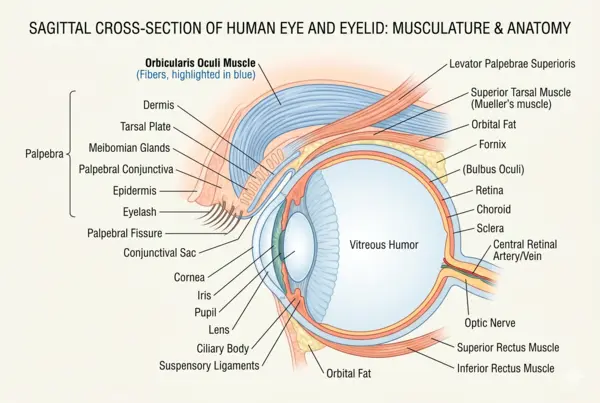
Eye twitching is an involuntary spasm of the muscles in your eyelid—most commonly the lower lid of one eye, though it can affect the upper lid or both eyes. These spasms typically come and go over several days or weeks before resolving on their own.
There are three main categories of eyelid twitching, ranging from benign to more serious:
Eyelid Myokymia (Minor Twitching) This is by far the most common type—the occasional, brief spasm that lasts seconds to minutes and comes and goes over days or weeks. It's typically caused by lifestyle factors and isn't a cause for concern.
Benign Essential Blepharospasm A less common condition that involves involuntary blinking or eyelid closure affecting both eyes. It typically begins gradually with increased blinking or eye irritation and can progress to involuntary eye closure that interferes with vision and daily activities.
Hemifacial Spasm A rare neurological condition that affects not just the eyelid but the entire side of the face. It's caused by irritation of the facial nerve and requires medical evaluation and treatment Johns Hopkins Medicine.
For the purposes of this guide, we'll focus primarily on minor eyelid myokymia—the type that most San Francisco residents experience.
Common Triggers of Eye Twitching
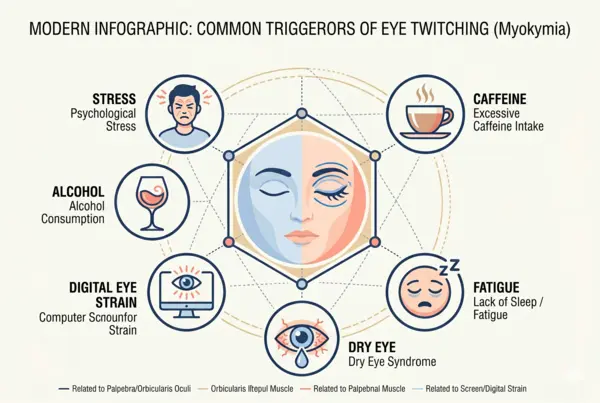
According to research published by the Cleveland Clinic, several lifestyle and environmental factors can trigger eye twitching:
Stress & Anxiety San Francisco's fast-paced, high-achieving culture—from tech startups in the Financial District to creative agencies in the Mission—creates significant stress for many residents. When you're stressed, your body releases cortisol, which can overstimulate muscles, including those around your eyes.
Lack of Sleep Whether you're pulling late nights to meet a product launch deadline or adjusting to a new baby, insufficient sleep exhausts your nervous system. Your eyelid muscles become overstimulated when fatigued, leading to twitching.
Excessive Caffeine That fourth espresso from your favorite North Beach café or an afternoon cold brew might be fueling more than your productivity. Caffeine is a stimulant that can overstimulate the nervous system, triggering muscle spasms.
Alcohol Consumption While San Francisco's wine culture and craft cocktail scene are world-renowned, excessive alcohol consumption can disrupt sleep quality and deplete essential nutrients like magnesium—both of which can contribute to eye twitching.
Eye Strain (Digital Eye Strain)Staring at screens for hours—common for tech workers, financial analysts, and students—exhausts the muscles around your eyes. Without proper breaks, these muscles can begin twitching.
Dry Eyes San Francisco's microclimates can wreak havoc on eye moisture. The fog may seem damp, but indoor heating, air conditioning, and screen time all contribute to dry eyes, which can trigger twitching.
Nutritional Deficiencies Low levels of magnesium, potassium, or vitamin B12 can affect muscle and nerve function. While rare in well-nourished individuals, these deficiencies can contribute to muscle twitching throughout the body, including the eyelids.
Allergies Seasonal allergies from eucalyptus pollen, grass, or other Bay Area allergens can cause eye irritation, rubbing, and subsequent eyelid twitching. When you rub your eyes, you release histamine into the eyelid tissues, which can cause twitching American Academy of Ophthalmology.
San Francisco-Specific Considerations
Living in San Francisco presents unique factors that may contribute to eye twitching:
Tech Industry Screen Time With one of the highest concentrations of tech workers in the world, San Francisco residents often log 10-12 hours daily in front of screens—between work computers, smartphones, and entertainment devices.
Commute Stress Whether navigating MUNI delays, BART breakdowns, or gridlock on the Bay Bridge, commuting in San Francisco creates daily stress that can manifest physically, including eye twitching.
Coffee Culture San Francisco's thriving specialty coffee scene—from Blue Bottle to Philz—makes it easy to over-caffeinate. While that third pour-over tastes amazing, it might be contributing to your twitching eyelid.
High Cost of Living Stress Financial stress from San Francisco's notoriously high cost of living—rent, mortgages, childcare—creates chronic anxiety that can manifest in physical symptoms, including muscle tension and eye twitching.
How to Stop Eye Twitching: Practical Solutions
Most cases of minor eye twitching resolve on their own within a few days to weeks, especially when you address the underlying triggers. Here are evidence-based strategies:
1. Prioritize Sleep Aim for 7-9 hours of quality sleep per night. Create a consistent bedtime routine, limit screens an hour before bed, and consider blackout curtains to block San Francisco's streetlights and early morning sun.
2. Reduce Caffeine Intake Try cutting your coffee consumption in half for a week to see if the twitching improves. Switch to decaf or herbal tea in the afternoon.
3. Manage Stress Incorporate stress-reduction techniques into your daily routine:
Practice mindfulness meditation (apps like Headspace or Calm can help)
Try yoga or gentle exercise
Take walking breaks—Golden Gate Park, the Presidio, or Crissy Field are excellent options
Consider therapy or counseling if stress feels unmanageable
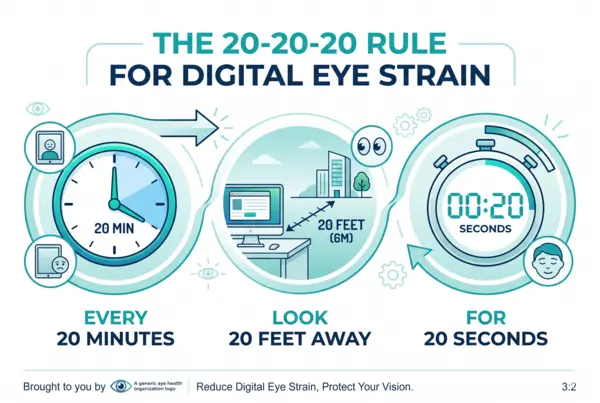
4. Apply the 20-20-20 Rule Every 20 minutes, look at something 20 feet away for at least 20 seconds. This simple habit reduces digital eye strain significantly.
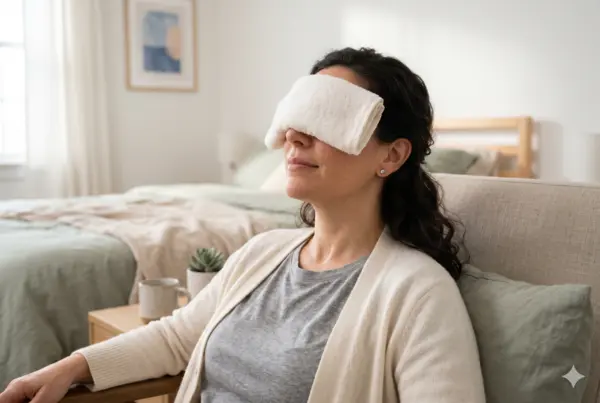
5. Use Warm Compresses Apply a warm, damp washcloth to your closed eyelids for 5-10 minutes. The warmth relaxes muscles and can reduce twitching frequency.
6. Stay Hydrated Drink plenty of water throughout the day—especially important in San Francisco's varied microclimates. Proper hydration supports overall muscle and nerve function.
7. Consider Nutritional Support If you suspect nutritional deficiencies, incorporate magnesium-rich foods (spinach, almonds, dark chocolate), potassium sources (bananas, sweet potatoes), and B-vitamin foods (salmon, eggs, leafy greens) into your diet.
8. Address Dry Eyes Use preservative-free artificial tears throughout the day to keep eyes lubricated. If you work in air-conditioned offices or heated spaces, consider a desktop humidifier.
9. Limit Alcohol Reduce or eliminate alcohol consumption for a week or two to see if twitching improves. Even moderate drinking can affect sleep quality and muscle function.
When to See an Eye Doctor: Red Flags
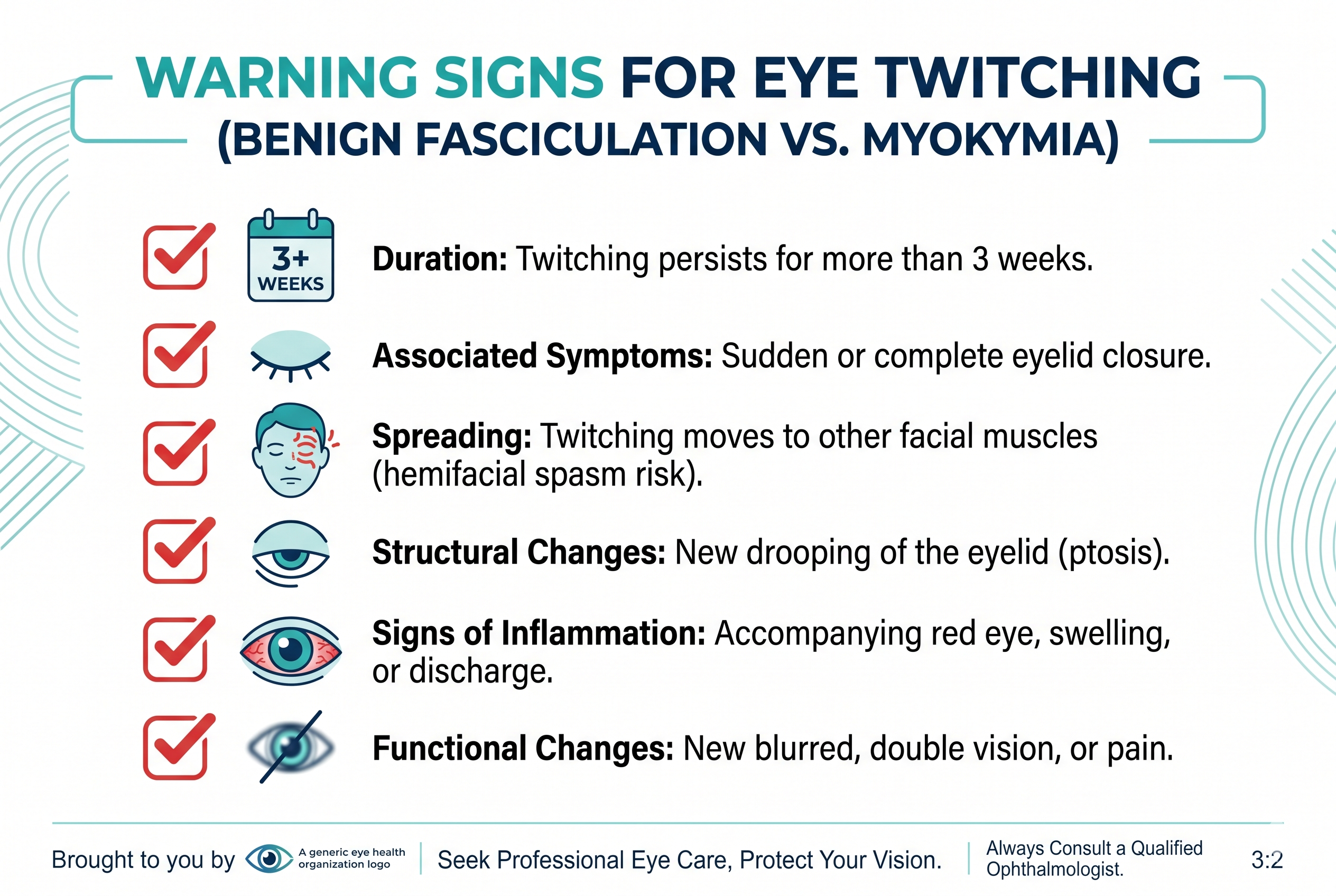
While most eye twitching is benign, certain symptoms warrant professional evaluation. Contact Eyes in Disguise if you experience:
Persistent Twitching If your eyelid twitches continuously for more than three weeks, schedule an appointment. Persistent twitching may indicate benign essential blepharospasm or another underlying condition.
Complete Eyelid Closure If the spasms are so strong that your eyelid completely closes, this suggests a more serious form of blepharospasm requiring evaluation.
Twitching Affects Other Facial Muscles If the twitching spreads beyond your eyelid to other parts of your face (cheek, mouth), this could indicate hemifacial spasm—a neurological condition requiring specialized treatment.
Drooping Eyelid If your eyelid begins to droop (ptosis), this could signal nerve damage or other serious conditions and requires immediate evaluation.
Redness, Swelling, or Discharge These symptoms suggest infection or inflammation rather than simple muscle twitching.
Vision Changes If you experience blurred vision, double vision, or other visual disturbances along with eye twitching, seek prompt evaluation.
Eye Sensitivity to Light Increased light sensitivity (photophobia) combined with twitching may indicate corneal issues or other eye conditions Cedars-Sinai.
What to Expect During Your Eye Examination
If your eye twitching persists or you're experiencing concerning symptoms, Dr. Blas will conduct a comprehensive evaluation that may include:
Medical History Review Discussion of your symptoms, lifestyle factors (caffeine, sleep, stress), medications, and overall health to identify potential triggers.
External Eye Examination Visual inspection of your eyelids and surrounding structures to look for inflammation, infection, or structural abnormalities.
Slit Lamp Examination A microscope-like instrument that provides a detailed view of your eye's front structures, including the cornea and conjunctiva, to rule out irritation or dry eye issues.
Neurological Assessment If your twitching is severe or affects other facial muscles, Dr. Blas may perform or refer you for neurological testing to rule out underlying nerve conditions.
Treatment Discussion Based on findings, Dr. Blas will recommend appropriate treatments, which may include lifestyle modifications, prescription eye drops for dry eyes, or—in rare cases—referral to a specialist for more advanced treatment.
Treatment Options for Persistent Twitching
For most people, lifestyle modifications are sufficient. However, if you have benign essential blepharospasm or hemifacial spasm, treatment options may include:
Botulinum Toxin (Botox) Injections For severe blepharospasm, Botox injections into the affected muscles can temporarily paralyze them, stopping the spasms. Effects typically last 3-6 months.
Prescription Medications Muscle relaxants or anti-anxiety medications may help reduce twitching in some cases, though they're not first-line treatments.
Specialty Referrals In cases of hemifacial spasm or other neurological conditions, Dr. Blas may refer you to a neurologist or neuro-ophthalmologist for specialized care.
Prevention: Long-Term Strategies
Once your eye twitching resolves, these habits can help prevent recurrence:
Maintain consistent sleep schedules
Limit caffeine to 1-2 cups daily, consumed before noon
Practice stress management techniques regularly
Take frequent breaks from screens
Stay hydrated
Wear properly prescribed glasses or contacts to reduce eye strain
Address allergies proactively
Schedule annual comprehensive eye exams to catch and address issues early
The Bottom Line
Eye twitching is almost always harmless—a temporary annoyance triggered by stress, fatigue, or too much caffeine rather than a serious medical condition. For most San Francisco residents, simple lifestyle adjustments like better sleep, stress management, and reduced screen time will resolve the issue within a few weeks.
However, if your eye twitching persists beyond three weeks, affects your vision, or spreads to other facial areas, don't wait—schedule an examination. At Eyes in Disguise, Dr. Michelle Blas has three decades of experience diagnosing and treating eye conditions, from the mundane to the complex.
Ready to address your eye twitching or schedule your comprehensive eye exam?
Call (415) 474-5321 or visit eyesindisguise.com to book your appointment at our Cow Hollow location.
About Dr. Michelle Blas, OD
Dr. Michelle Blas has served San Francisco's eye care needs for over 30 years, offering comprehensive optometry services with a personal touch. From routine eye exams to complex vision correction, Dr. Blas and her team at Eyes in Disguise provide expert care in a welcoming Cow Hollow environment. Located at 2133 Union Street, Eyes in Disguise combines cutting-edge diagnostic technology with personalized attention to help San Francisco residents achieve and maintain optimal eye health.
FAQ SECTION
1. How long does eye twitching usually last?
Most cases of minor eyelid twitching (myokymia) last from a few days to three weeks before resolving on their own. If twitching persists beyond three weeks or worsens, schedule an eye examination to rule out underlying conditions.
2. Can stress really cause my eye to twitch?
Yes. Stress is one of the most common triggers of eye twitching. When you're stressed, your body releases cortisol and other hormones that can overstimulate muscles, including the tiny muscles around your eyelids. Managing stress through exercise, meditation, adequate sleep, and other relaxation techniques often resolves stress-related eye twitching.
3. Should I be worried if only one eye twitches?
No. Minor eyelid twitching (myokymia) typically affects only one eye—usually the lower lid. This is completely normal and doesn't indicate a serious problem. However, if twitching affects both eyes simultaneously or spreads to other facial muscles, seek professional evaluation.
4. Can too much screen time cause eye twitching?
Yes. Prolonged screen time causes digital eye strain, which exhausts the muscles around your eyes and can trigger twitching. Follow the 20-20-20 rule (every 20 minutes, look 20 feet away for 20 seconds), ensure proper lighting, adjust screen brightness, and take regular breaks to reduce strain.
5. Does caffeine really make eye twitching worse?
Absolutely. Caffeine is a stimulant that can overstimulate your nervous system, including the nerves that control your eyelid muscles. If you consume multiple cups of coffee daily and experience eye twitching, try reducing your intake by half for a week to see if symptoms improve.
6. When should I see a doctor about eye twitching?
Schedule an appointment if: your eye twitches continuously for more than three weeks; the twitching is severe enough to close your eyelid; it spreads to other facial areas; you develop drooping eyelids, redness, swelling, or discharge; or you experience vision changes.
7. Can dry eyes cause twitching?
Yes. Dry eyes—common in San Francisco due to indoor heating, air conditioning, and prolonged screen time—can irritate the eye surface and trigger eyelid twitching. Using preservative-free artificial tears several times daily often helps resolve the twitching.
8. Is eye twitching a sign of a serious neurological condition?
Rarely. While most eye twitching is benign and temporary, persistent twitching that affects both eyes (benign essential blepharospasm) or spreads to other facial muscles (hemifacial spasm) may indicate a neurological condition requiring evaluation. If you're concerned, schedule a comprehensive eye exam for proper diagnosis.
