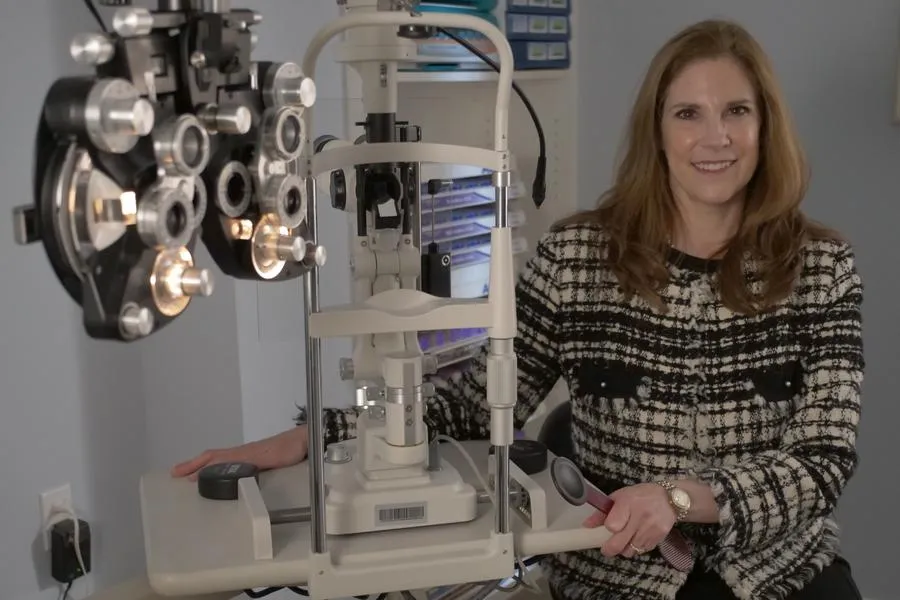
The Complete Guide to Contact Lens Hygiene: Protecting Your Eyes & Vision in San Francisco's Active Lifestyle
When Sarah Martinez, a 34-year-old UX designer from Russian Hill, walked into our Cow Hollow office complaining of persistent eye redness and discomfort, she assumed it was just the typical digital eye strain from her remote work setup. After a thorough examination, we discovered something more concerning: an early-stage contact lens-related infection caused by inadequate lens hygiene practices. Sarah's story is far from unique—according to the CDC, approximately 1 in 500 contact lens wearers develops a serious eye infection each year, many of which are entirely preventable through proper hygiene.
In San Francisco's fast-paced environment—where tech professionals juggle Zoom calls from foggy mornings to late-night debugging sessions, where outdoor enthusiasts bike through the Presidio before sunrise, and where social calendars overflow with dinners from the Mission to North Beach—contact lenses offer unparalleled convenience. Yet this convenience comes with responsibility. The same qualities that make contact lenses so appealing can also make them vectors for bacteria, fungi, and other pathogens if not properly maintained.
This comprehensive guide will walk you through everything you need to know about contact lens hygiene, from understanding the different lens types and their specific care requirements to avoiding common mistakes that could compromise your eye health. Whether you're a seasoned contact lens wearer or considering making the switch from glasses, this article will equip you with the knowledge to enjoy clear, comfortable vision while protecting your eyes for decades to come.
Understanding Contact Lenses: Types, Materials & Your Lifestyle
Not all contact lenses are created equal, and understanding the type you wear is fundamental to proper care. The contact lens landscape has evolved dramatically since the first hard plastic lenses of the 1960s, and today's options offer unprecedented comfort, oxygen permeability, and vision correction capabilities.
Soft Contact Lenses: The Popular Choice
Approximately90% of contact lens wearers in the United States choose soft lenses, made from flexible, water-containing plastics called hydrogels or silicone hydrogels. These materials allow oxygen to pass through to the cornea—the clear dome covering your iris and pupil—which is essential since the cornea has no blood vessels and must receive oxygen directly from the air and tear film.
Daily Disposables represent the gold standard for hygiene. These single-use lenses are worn once and discarded at day's end, eliminating the need for cleaning solutions or storage cases. For San Francisco's active professionals who commute from the East Bay, attend outdoor concerts at Golden Gate Park, or enjoy spontaneous weekend trips to Tahoe, daily disposables offer maximum convenience and minimum infection risk.
Bi-weekly and Monthly Soft Lenses require nightly removal, cleaning, and storage in fresh solution. While they're more economical than dailies, they demand disciplined hygiene routines. These lenses gradually accumulate protein deposits, lipids, and environmental debris—particularly challenging in San Francisco's fog, which can leave a fine mist of salt particles on your lenses.
Rigid Gas-Permeable (RGP) Lenses: Superior Optics
RGP lenses, made from durable plastics that maintain their shape on the eye, provide the sharpest vision of any contact lens type. They're particularly beneficial for patients with astigmatism, keratoconus, or those who need multifocal correction. While RGP lenses have a longer adaptation period—typically one to two weeks versus two to three days for soft lenses—they offer exceptional durability, lasting one to three years with proper care.
The rigid surface of RGP lenses resists protein and lipid deposits better than soft lenses, reducing the risk of certain complications. However, they require a different cleaning regimen and more careful handling. The Boston line of cleaning solutions, specifically formulated for RGP lenses, is typically recommended by our optometry team at Eyes in Disguise.
Specialty Lenses: Scleral & Hybrid Options
For patients with irregular corneas or severe dry eye—increasingly common conditions in our tech-heavy, screen-saturated city—scleral lenses offer life-changing comfort and vision. These large-diameter RGP lenses vault over the entire cornea and rest on the white part of the eye (the sclera), creating a tear-filled chamber that bathes the cornea throughout the day. The care requirements are more complex, involving special filling solutions and rigorous cleaning protocols.
Hybrid lenses combine an RGP center for clear optics with a soft lens skirt for comfort, bridging the gap between the two technologies. These are excellent for active San Franciscans who need the visual clarity of RGP but want the comfort and stability of soft lenses during cycling, hiking, or playing beach volleyball at Crissy Field.
The Hidden Risks: Why Contact Lens Hygiene Matters More Than You Think
The statistics are sobering. The American Academy of Ophthalmology reports that each year, approximately one million doctor visits in the United States are related to contact lens complications, with costs exceeding$175 million. While most issues are minor irritations, some can result in permanent vision loss.
Microbial Keratitis: A Sight-Threatening Infection
Microbial keratitis—an infection of the cornea caused by bacteria, fungi, or parasites—is the most serious risk associated with contact lens wear. The condition causes severe pain, light sensitivity, excessive tearing, and blurred vision. Left untreated, it can lead to corneal scarring and vision loss.
Acanthamoeba keratitis, caused by a free-living amoeba commonly found in tap water, hot tubs, and swimming pools, is particularly devastating. This infection progresses slowly, often misdiagnosed initially as viral or bacterial conjunctivitis. Treatment requires months of intensive antimicrobial eye drops, and even with aggressive therapy, many patients experience permanent vision reduction. According to research published in the Journal of Clinical Microbiology,85% of Acanthamoeba keratitis cases occur in contact lens wearers, with tap water exposure being the primary risk factor.
Contact Lens-Associated Red Eye (CLARE)
This acute inflammatory response occurs when bacterial toxins accumulate on the lens surface, triggering corneal inflammation. Patients typically wake up with a painful, red eye. While CLARE usually resolves within 24 to 48 hours after discontinuing lens wear, it's a warning sign of inadequate hygiene or overwearing.
Giant Papillary Conjunctivitis (GPC)
GPC develops when protein deposits on contact lenses trigger an allergic-type immune response, causing the inside of the upper eyelid to develop bumps resembling cobblestones. Symptoms include excessive mucus, itching, lens intolerance, and blurred vision. The condition often requires temporary cessation of lens wear and can take months to resolve.
Corneal Neovascularization & Hypoxia
When the cornea doesn't receive adequate oxygen—typically from wearing lenses overnight when they're not designed for extended wear, or from wearing old, degraded lenses—blood vessels begin growing into the cornea from the limbus (the border between the cornea and sclera). This neovascularization is the eye's attempt to deliver oxygen via blood supply, but it compromises corneal transparency and increases infection risk. Studies show that sleeping in lenses increases the risk of serious eye infections by six to eight times compared to daily wear.
The Contact Lens Hygiene Fundamentals: Your Daily Routine

Establishing a consistent, thorough hygiene routine is your first line of defense against complications. Think of contact lens care as you would oral hygiene—non-negotiable, twice-daily, and essential for long-term health.
Step 1: Hand Hygiene First—Always
Before touching your contact lenses, wash your hands thoroughly with fragrance-free, oil-free soap and warm water for at least 20 seconds. This simple step eliminates the vast majority of transient bacteria and other microorganisms that could transfer to your lenses and eyes.
Dry your hands with a lint-free towel or paper towel. Cloth towels harbor bacteria and can leave fibers on your fingers that transfer to your lenses, causing discomfort and blurred vision. For San Francisco's eco-conscious population, consider dedicating a specific towel solely for contact lens use and washing it daily in hot water.
Never use hand sanitizer as a substitute for handwashing before handling lenses. While alcohol-based sanitizers kill many bacteria, they don't remove debris, and the residue can irritate your eyes.
Step 2: The Rub-and-Rinse Method—Even for "No-Rub" Solutions

Despite marketing claims of "no-rub" contact lens solutions, research published in Optometry and Vision Science demonstrates that mechanical cleaning significantly reduces bacterial contamination compared to soaking alone. After removing each lens:
Place the lens in your palm(cup your hand slightly to prevent the lens from sliding off).
Apply 3–4 drops of multipurpose solution to the lens surface.
Gently rub the lens in a side-to-side motion (not circular) for 20 seconds on each side. The mechanical action dislodges protein deposits, lipids, cosmetic residue, and environmental debris.
Rinse thoroughly with fresh solution for 10 seconds on each side.
The entire cleaning process should take approximately one minute per lens—a small investment for maintaining eye health.
Step 3: Proper Storage in Fresh Solution
Never, ever "top off" old solution in your contact lens case. This practice creates a nutrient-rich biofilm where bacteria, fungi, and Acanthamoeba can thrive, protected from the disinfecting agents in the solution. Each time you store your lenses:
Empty the case completely and rinse with fresh multipurpose solution (never tap water).
Fill each well with fresh solution to the brim—underfilling reduces disinfection efficacy.
Ensure lenses are fully submerged and the case is properly closed.
Store for the minimum recommended time—typically 6 hours for complete disinfection.
Step 4: Morning Lens Insertion
After the recommended soaking time, your lenses are disinfected and ready to wear. Some eye care professionals recommend rinsing lenses with fresh solution before insertion to remove any residual disinfection byproducts, particularly for patients with sensitive eyes.
Check each lens for damage before insertion—look for tears, edges that are no longer smooth, or discoloration. Damaged lenses should be discarded immediately.
Contact Lens Case Care: The Neglected Critical Component

Your contact lens case is ground zero for contamination if not properly maintained. Studies using electron microscopy reveal that biofilms develop in contact lens cases within 24 hours of use, creating a microbial haven that can recontaminate freshly cleaned lenses.
Daily Case Maintenance
Each morning after inserting your lenses:
Empty all solution from the case immediately—never leave solution sitting in the case during the day.
Rinse with fresh multipurpose solution, not tap water. Tap water contains microorganisms including Acanthamoeba that can colonize the case.
Air-dry the case upside down on a clean, lint-free tissue. Leave it open to prevent moisture accumulation, which bacteria love.
Store in a clean, dry location away from bathroom moisture and potential contamination sources.
Case Replacement Schedule
Replace your contact lens case every 3 months—mark your calendar or set a phone reminder. Many multipurpose solutions include a free case with each bottle; use it. Case materials degrade over time, developing microscopic cracks and pits where microorganisms hide from disinfection.
If you notice any cloudiness, discoloration, cracks, or odor in your case, replace it immediately regardless of the timeline.
Common Contact Lens Hygiene Mistakes: What to Avoid

Even conscientious lens wearers can fall into hygiene traps that compromise eye health. Here are the most common mistakes we see at our San Francisco practice—and how to avoid them.
Mistake #1: Water Contact of Any Kind
Water is the enemy of contact lens hygiene. This includes:
Showering in lenses: Even a brief shower exposes your lenses to waterborne pathogens. If you must wear lenses in the shower (not recommended), keep your eyes tightly closed and remove lenses immediately afterward.
Swimming in lenses: Whether it's the pool at Bay Club, the ocean at Baker Beach, or hot tubs in Napa, water exposure significantly increases infection risk. If swimming is unavoidable with lenses, wear watertight swim goggles and use daily disposable lenses that you discard immediately after swimming.
Rinsing lenses or cases with tap water: Even filtered or boiled tap water can harbor Acanthamoeba, which survives a wide range of temperatures and conditions.
Using homemade saline solutions: Store-bought saline is not sterile once opened and should never be used for lens disinfection. Only use commercially prepared multipurpose solutions or hydrogen peroxide systems as directed.
The San Francisco Bay Area's water quality is generally excellent, but that doesn't make it safe for contact lenses. Municipal water isn't sterile, and it contains minerals, chlorine, and microorganisms that can adhere to lenses or contaminate cases.
Mistake #2: Sleeping in Contact Lenses Not Approved for Overnight Wear
The convenience of falling asleep without removing your lenses is tempting after a long day coding, attending concerts, or socializing in the Marina. However, overnight wear is the single biggest risk factor for serious eye infections.
During sleep, your closed eyelids drastically reduce oxygen supply to the cornea. This hypoxic environment stresses corneal cells, compromising their barrier function and making infection more likely. Additionally, overnight lens wear reduces the eye's natural defense mechanisms—tear production decreases, blinking stops, and the tear film's antibacterial properties are less effective.
Even lenses FDA-approved for extended wear(up to 30 days of continuous wear) carry increased risk. Research shows that extended-wear lenses have a four to five times higher rate of microbial keratitis compared to daily-wear lenses removed nightly.
If you accidentally fall asleep in your lenses: Don't panic. Upon waking, instill rewetting drops and wait several minutes to allow the lens to re-hydrate and loosen before attempting removal. If the lens feels stuck, continue instilling drops and gently massage your closed eyelid. Never force a stuck lens—contact our office if you're unable to remove it after 15–20 minutes.
Mistake #3: Extending Lens Replacement Schedules
It's tempting to stretch a "two-week" lens to three weeks or a "monthly" lens to six weeks to save money. Don't. Replacement schedules are based on the material's degradation timeline, including:
Protein and lipid accumulation that disinfection can't fully remove
Material breakdown reducing oxygen transmission
Surface roughening creating microbial attachment sites
Edge degradation increasing discomfort and potential corneal abrasion
At Eyes in Disguise, we've seen patients develop chronic inflammation, reduced vision quality, and increased infection risk from overwearing lenses. The money saved on lenses is quickly lost on treatment costs, replacement lenses during the "rest" period, and potential permanent vision damage.
Mistake #4: Using Expired or Contaminated Solutions
Contact lens solutions have expiration dates printed on the bottle for good reason. Over time, preservatives degrade, reducing disinfection efficacy. Once opened, multipurpose solutions are typically effective for3 months—mark the opening date on the bottle with a permanent marker.
Never transfer solution to smaller travel containers unless they're sterile, single-use vials specifically designed for this purpose. Reusable travel bottles become contaminated quickly, defeating the purpose of using proper solution.
Don't mix solution brands without consulting your eye care provider. Different solutions use different preservative systems that may be incompatible. Some lens materials are approved for use with specific solutions but not others.
Mistake #5: Applying Makeup After Inserting Lenses
The correct sequence is: wash hands, insert lenses, apply makeup. This prevents cosmetic products—foundations, powders, creams—from transferring to your hands and then to your lenses.
Similarly, at day's end: remove lenses first, then remove makeup. This prevents makeup remover, oils, and debris from contaminating your lenses or making lens removal difficult.
San Francisco Specific Tip: The city's frequent fog and wind can cause mascara to run or eyeshadow to smudge. If you need to reapply makeup during the day, thoroughly wash and dry your hands before touching your eye area, and try to avoid touching your lenses directly.
Mistake #6: Ignoring Discomfort or Unusual Symptoms
Your eyes are remarkably communicative—pain, redness, excessive tearing, light sensitivity, or vision changes are all warning signals that something is wrong. Never "push through" discomfort or assume it will resolve on its own.
Remove your contact lenses immediately if you experience:
Sudden onset of pain or discomfort
Persistent redness that doesn't clear within minutes of lens removal
Unusual discharge or excessive mucus
Light sensitivity beyond what you typically experience
Blurred vision that doesn't clear with blinking
A feeling that something is stuck in your eye
Contact our Cow Hollow office at (415) 474-5321 for same-day appointments if symptoms develop. Early intervention can prevent minor irritations from becoming serious complications.
Contact Lens Solutions Decoded: Choosing the Right One

The contact lens solution aisle can be overwhelming, with dozens of products making various claims. Understanding the main categories will help you make informed choices in consultation with your eye care provider.
Multipurpose Solutions: The Convenient Standard
Multipurpose solutions (MPS) clean, rinse, disinfect, and store lenses in a single formula. Popular brands include Biotrue, Opti-Free, and RevitaLens. These solutions typically use polyhexamethylene biguanide (PHMB)orpolyquaternium-1as preservatives/disinfectants, combined with surfactants to remove deposits and moisturizing agents for comfort.
Advantages: Convenience, cost-effectiveness, single product simplicity.
Considerations: Some patients develop sensitivity to specific preservatives. If you experience stinging, burning, or redness after solution use, your optometrist may recommend switching brands or formulations.
Hydrogen Peroxide Systems: Maximum Disinfection
Hydrogen peroxide (H₂O₂) systems like Clear Care and Clear Care Plus offer superior disinfection, killing bacteria, fungi, viruses, and Acanthamoeba more effectively than multipurpose solutions. The 3% hydrogen peroxide solution is neutralized by a platinum disc in a special case over a minimum6-hour period, rendering it safe for eye contact.
Advantages: Excellent disinfection, preservative-free (ideal for sensitive eyes), removes protein deposits effectively.
Considerations: NEVER rinse lenses with hydrogen peroxide solution—it must be completely neutralized before lens insertion or you'll experience severe burning and corneal damage. The red cap of Clear Care bottles is designed to prevent confusion with multipurpose solutions. Always use the special case provided with hydrogen peroxide systems and verify that the neutralization time has elapsed before inserting lenses.
Saline Solutions: Rinsing Only
Preserved saline solutions arenot disinfectants. They're used for rinsing lenses after cleaning with hydrogen peroxide systems or for adding moisture. Never use saline as your sole cleaning and storage solution—it has no disinfecting properties and can actually promote microbial growth.
Contact Lenses & San Francisco's Unique Environmental Challenges

Living and working in the San Francisco Bay Area presents specific environmental factors that affect contact lens wear and hygiene.
Fog, Wind & Airborne Salt
Our iconic fog carries minute salt particles from the Pacific. While atmospheric, these particles can accumulate on contact lenses, causing discomfort, blurred vision, and a gritty sensation. Combat this by:
Using rewetting drops throughout the day, particularly during your commute across the Golden Gate or walking through the foggy Presidio.
Cleaning lenses more thoroughly in the evening to remove salt deposits.
Considering daily disposable lenses if you're outdoors frequently—fresh lenses daily prevent accumulation.
Urban Pollution & Pollen
San Francisco's vehicle traffic, particularly during rush hour on 101 and through downtown, produces airborne particulates. Additionally, seasonal pollen from Eucalyptus, oak, and native California plants peaks in spring and fall. These allergens and pollutants adhere to contact lenses, exacerbating allergies and irritation.
Solutions:
Anti-allergen contact lens solutions like Opti-Free Pure moist contain ingredients that minimize allergen adhesion.
More frequent lens replacement during high pollen season reduces allergenic buildup.
Prescription allergy eye drops used before lens insertion can significantly reduce symptoms.
Tech Industry Screen Time
San Francisco's status as a global tech hub means many residents spend 8–12 hours daily staring at screens. This contributes to digital eye strain and reduced blink rates, leading to contact lens dryness and discomfort.
Best practices:
Follow the 20-20-20 rule: Every 20 minutes, look at something 20 feet away for 20 seconds.
Position screens properly: Top of monitor at or slightly below eye level, 20–26 inches away.
Use preservative-free artificial tears formulated for contact lens wearers—instill every 2–3 hours during intensive screen work.
Consider computer-specific glasses as an alternative during extended screen sessions, giving your eyes a break from contact lens wear.
Special Situations: Contact Lens Hygiene During Travel, Exercise & More
Life doesn't pause for contact lens care, but a few adjustments ensure your eyes stay healthy during various activities.
Travel & Contact Lenses
Air Travel: Airplane cabins have extremely low humidity (typically 10–20%), which can dry out soft contact lenses. On flights longer than 3 hours, consider removing lenses and wearing glasses, or liberally use preservative-free lubricating drops every 30–45 minutes.
International Travel: Pack extra lenses and solution (in TSA-compliant sizes for carry-on). If you run out of solution abroad, purchase a major brand name rather than generic or unfamiliar products—formulations vary internationally.
Camping & Outdoor Adventures: When hiking in Big Sur, camping in Yosemite, or attending Burning Man, contact lens hygiene becomes challenging. Daily disposable lenses are ideal—no solution or case needed. Bring hand sanitizer for situations without soap and water, use it thoroughly, let hands fully dry, then use saline or rewetting drops to rinse any sanitizer residue from your fingers before handling lenses.
Exercise & Sports
Contact lenses are generally excellent for athletic activities, offering unobstructed peripheral vision and no risk of broken glasses. However, sweat and environmental exposure require additional precautions:
Yoga, Pilates, Gym Workouts: Sweat can drip into eyes, causing stinging and potential contamination. Use a headband to direct sweat away from eyes. If lenses become uncomfortable, remove them and have glasses available.
Cycling, Running: San Francisco's hills, coastal winds, and variable weather make eye protection important. Wraparound sunglasses protect lenses from wind, dust, and UV rays. After intense workouts, discard daily lenses or thoroughly clean reusable lenses—sweat proteins can accumulate on lens surfaces.
Swimming: As previously mentioned, avoid swimming in contact lenses if possible. For competitive swimmers or triathletes where this isn't practical, prescription swim goggles offer a safer alternative.
Illness & Contact Lens Wear
If you develop a cold, flu, or conjunctivitis (pink eye), discontinue contact lens wear immediately. Viral and bacterial pathogens can contaminate lenses and cases, reinfecting your eyes even after you've recovered.
Discard the lenses you were wearing when illness began—even if it's a monthly lens you just opened. Replace your contact lens case as well. These precautions prevent reinfection.
When to Schedule an Eye Exam: Red Flags & Routine Care
Regular eye examinations are essential for contact lens wearers, even if you're not experiencing problems. The American Optometric Association recommends annual comprehensive eye exams for contact lens wearers to monitor eye health, update prescriptions, and assess the fit of your current lenses.
Annual Contact Lens Exam Components
At Eyes in Disguise, our contact lens examinations include:
Comprehensive vision and health assessment: Checking visual acuity, eye muscle coordination, peripheral vision, and internal and external eye health using advanced technology including OCT (Optical Coherence Tomography) and corneal topography.
Contact lens fit evaluation: Ensuring your current lenses move appropriately, provide adequate oxygen transmission, and maintain proper alignment on your corneas.
Prescription verification: Confirming your contact lens prescription remains optimal—prescriptions can change even if your vision seems fine.
Lifestyle consultation: Discussing any changes in your daily activities, work environment, or overall health that might necessitate different lens options.
Hygiene review: Assessing your care routine and providing updated recommendations based on the latest research and products.
Schedule an Immediate Appointment If You Experience:
Sudden vision changes, flashing lights, or floaters
Persistent eye pain that doesn't resolve with lens removal
Redness lasting more than 2–3 hours after removing lenses
Discharge beyond normal morning crustiness
Extreme light sensitivity
Foreign body sensation that doesn't improve with artificial tears
Contact lenses that suddenly become uncomfortable despite no change in routine
These symptoms may indicate infections, corneal abrasions, or other conditions requiring prompt professional evaluation. Our Cow Hollow office provides same-day emergency appointments for established contact lens patients—call (415) 474-5321 to schedule.
The Future of Contact Lens Hygiene: Innovations on the Horizon
The contact lens industry continues to evolve, with exciting developments aimed at improving both convenience and safety.
Antimicrobial Lens Materials
Several companies are developing contact lenses with antimicrobial agents incorporated directly into the lens material. These embedded disinfectants continuously release at low concentrations, inhibiting bacterial colonization on the lens surface without damaging the eye. Clinical trials show promising results in reducing biofilm formation and lowering infection rates.
Smart Contact Lenses
Biosensor-equipped contact lenses capable of monitoring tear film composition, glucose levels (for diabetic patients), and even intraocular pressure (for glaucoma monitoring) are in development. While still years from widespread availability, these technologies could revolutionize both vision correction and systemic health monitoring.
UV-Blocking & Blue-Light Filtering Lenses
Several manufacturers now offer contact lenses with built-in UV protection and blue-light filtering properties. These features are particularly relevant for San Francisco residents who spend significant time outdoors (UV exposure) and on digital devices (blue-light exposure). While these lenses don't replace sunglasses—since they only cover the cornea, not the entire eye and surrounding structures—they provide an additional layer of protection.
Extended-Wear Lenses with Enhanced Safety
The holy grail of contact lens development is a lens that can be worn safely for extended periods with minimal infection risk. Advances in silicone hydrogel materials have dramatically increased oxygen transmission, making monthly continuous-wear lenses theoretically safer. However, the consensus among optometrists remains that nightly removal and disinfection offer the lowest risk profile for most patients.
Bottom Line: Healthy Habits for a Lifetime of Clear Vision
Contact lenses have transformed the lives of millions, offering visual freedom without the encumbrance of glasses. But this freedom comes with responsibility. The hygiene practices outlined in this guide aren't optional—they're essential for protecting your eye health and preventing potentially sight-threatening complications.
As we've seen through patient stories and scientific evidence, even small lapses in hygiene can have significant consequences. Yet the reverse is equally true: consistent, thorough care dramatically reduces risk and ensures comfortable, clear vision for decades.
If you're currently wearing contact lenses, take a moment to honestly assess your hygiene routine. Are you cutting corners anywhere? Using tap water to rinse your case? Sleeping in lenses occasionally? Extending replacement schedules? Identifying and correcting these habits now could save your vision later.
For those considering contact lenses for the first time, understand that the convenience and confidence they provide are well worth the disciplined care routine. With proper education, quality products, and regular professional oversight, contact lenses are safe and effective for the vast majority of patients.
Experience Comprehensive Contact Lens Care at Eyes in Disguise
At Eyes in Disguise Optometry, we combine cutting-edge diagnostic technology with personalized care to ensure your contact lens experience is safe, comfortable, and optimized for your unique lifestyle. Located in the heart of San Francisco's Cow Hollow at 2133 Union Street, our practice serves patients throughout the Bay Area including Pacific Heights, the Marina, Russian Hill, and the Presidio.
Dr. Michelle Blas, OD, with30 years of optometry experience, specializes in contact lens fittings for complex prescriptions, specialty lens solutions, and pediatric and adult myopia control. Our practice offers:
Advanced fitting technology including corneal topography and wavefront analysis
Comprehensive lens options from daily disposables to scleral lenses
Personalized hygiene consultations tailored to your lifestyle and environment
Same-day emergency care for contact lens-related complications
Ongoing support throughout your contact lens journey
Whether you're new to contact lenses, experiencing discomfort with your current lenses, or simply due for your annual comprehensive exam, we're here to help you achieve optimal vision with maximum eye health.
Schedule your contact lens consultation today:📞(415) 474-5321🌐https://eyesindisguise.com
About the Author: Dr. Michelle Blas, OD, has been providing expert eye care to San Francisco residents for three decades. Specializing in pediatric optometry and myopia control, Dr. Blas combines evidence-based clinical practice with a commitment to patient education, ensuring every patient understands not just what to do for eye health, but why it matters.
FAQ: Your Contact Lens Hygiene Questions Answered
Q: Can I wear contact lenses while I have a cold or flu?
No. When you're ill, your immune system is compromised, and your eyes are more susceptible to infection. Additionally, hand-to-face contact when coughing, sneezing, or wiping your nose increases the risk of contaminating your lenses with pathogens. Switch to glasses until you're fully recovered, and discard the lenses you were wearing when symptoms began along with your lens case.
Q: Is it really necessary to rub my lenses if I use a "no-rub" solution?
Despite marketing claims, research consistently shows that mechanical rubbing significantly improves lens cleanliness and reduces bacterial contamination. The FDA still recommends the rub-and-rinse method even with no-rub solutions. The 30 seconds spent rubbing and rinsing is a small investment in eye health and infection prevention.
Q: How long can I keep an opened bottle of contact lens solution?
Once opened, most multipurpose solutions remain effective for3 months. After this period, preservatives begin to degrade, reducing disinfection efficacy. Mark the opening date on your bottle with a permanent marker and discard after 3 months, even if solution remains. Always check the printed expiration date before opening—never use expired products.
Q: Can I use tap water to rinse my contact lens case in an emergency?
No—even in emergencies, tap water should never contact your lens case or lenses. Tap water, even in San Francisco's high-quality municipal supply, contains microorganisms including Acanthamoeba that can cause devastating eye infections. If you're out of solution, leave lenses in your eyes until you can obtain proper solution, or discard daily lenses and use backup glasses. For travelers, always pack extra solution or use daily disposables to avoid this dilemma.
Q: I accidentally slept in my contact lenses. What should I do?
First, don't panic or immediately try to remove them. Your lenses may have adhered to your cornea due to dryness. Instill rewetting drops or preservative-free artificial tears liberally and wait 10–15 minutes, allowing the lenses to rehydrate and loosen naturally. Gently massage your closed eyelids to help lenses move. Once lenses feel mobile, remove them carefully. Give your eyes a rest day, wearing glasses instead, and monitor for redness, pain, or vision changes. If any symptoms develop, contact our office immediately at (415) 474-5321 for evaluation.
Q: Are daily disposable lenses really worth the extra cost?
For many patients, absolutely. Daily disposables eliminate the risk of solution-related complications, case contamination, and protein buildup. They're ideal for people with allergies, active lifestyles, frequent travel, or those who struggle with compliance regarding cleaning routines. While the upfront cost per lens is higher, you eliminate expenses for solutions, cases, and rewetting drops, and you significantly reduce infection risk. For occasional wearers who use contacts only for sports or social events, dailies are particularly cost-effective since you only use what you need.
Q: Can I swim in contact lenses if I wear goggles?
Water exposure remains risky even with goggles, as water can seep in. If swimming is unavoidable with lenses, wear watertight swim goggles and use daily disposable lenses that you discard immediately after swimming. Never swim in monthly or bi-weekly lenses you plan to continue wearing—the risk of contamination is too high. For regular swimmers, prescription swim goggles are the safest option.
Q: My lenses feel dry by midday. What can I do?
Midday dryness is common, especially for screen-heavy San Francisco workers. Solutions include:
(1)Preservative-free rewetting dropsdesigned for contact lens wearers—instill every 2–3 hours;
(2)Evaluate your solution—switch to one with enhanced moisturizing properties like Biotrue or Opti-Free Puremoist;
(3)Consider different lens materials—newer silicone hydrogel daily disposables like Acuvue Oasys 1-Day or Dailies Total1 have superior moisture retention;
(4)Environmental modifications—use a humidifier in your workspace, position fans to avoid direct airflow to your face, and consciously blink more frequently during screen time;
(5)Omega-3 supplements—evidence suggests omega-3 fatty acids improve tear film quality and reduce dry eye symptoms.
Q: How can I tell if my contact lens is inside-out?
Place the lens on your fingertip and hold it up to light, viewing from the side. A correctly oriented lens forms a perfect bowl or "U" shape with smooth edges. An inside-out lens forms a more flared, saucer-like shape with the edges flaring outward. Some lenses have a laser marking—if you can read it correctly, the lens is properly oriented; if it appears backward or mirrored, the lens is inside-out. Wearing an inside-out lens won't damage your eye but will feel uncomfortable, move excessively, and provide suboptimal vision.